Walk into any modern kitchen appliance store and you are likely to encounter mixers, grinders, and mixer-grinders displayed side by side. Although these appliances often appear similar, they are designed to perform different functions. Many buyers assume they can be used interchangeably, which can lead to confusion and disappointment after purchase. Understanding the distinction is especially important when investing in a new kitchen appliance. Whether you prepare fresh spices regularly or enjoy experimenting with recipes, knowing the differences can help you make an informed and practical decision for daily cooking needs.

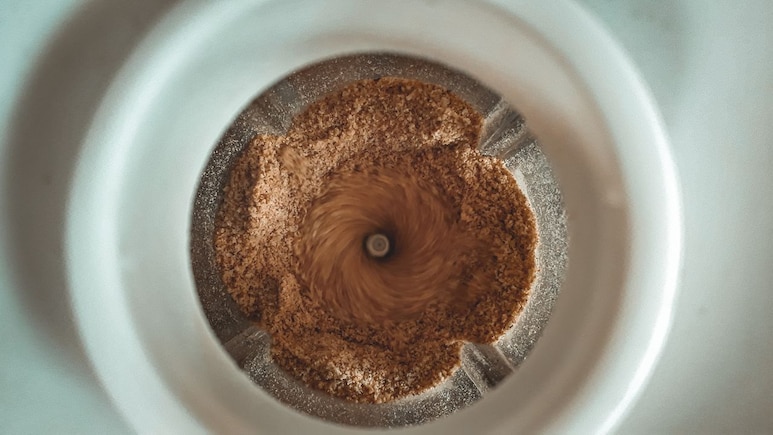
The right appliance can make every kitchen task simpler and faster
Photo Credit: Pexels
The debate between mixers and grinders is not necessarily about which appliance is better. Instead, it is about choosing the right tool for the tasks you perform most often. Some households prioritise blending and mixing ingredients, while others focus on grinding coffee beans, spices, or grains. In many cases, consumers are unsure whether they need one appliance or a combination model. By exploring how each appliance works, their strengths, limitations, and ideal applications, you can confidently select the option that fits your cooking style and kitchen requirements perfectly.
| Feature | Mixer | Grinder |
|---|---|---|
| Primary Purpose | Mixing and blending ingredients | Grinding hard ingredients into powder or paste |
| Common Uses | Smoothies, batters, sauces, shakes | Spices, coffee beans, grains |
| Blade Design | Blending-oriented blades | Crushing and grinding blades |
| Texture Produced | Smooth and liquid-based | Fine powder, coarse powder, or paste |
| Suitable For Liquids | Yes | Limited, depending on model |
| Noise Level | Moderate | Often higher |
| Ideal User | Home cooks who blend frequently | Users who grind spices and dry ingredients regularly |
What A Mixer Is Designed To Do
A mixer is primarily designed for combining multiple ingredients into a smooth, consistent mixture. It is commonly used to prepare milkshakes, smoothies, soups, sauces, pancake batter, and various baking preparations. The appliance relies on specially shaped blades that create a vortex, helping ingredients blend evenly. This makes it particularly useful for recipes requiring a uniform texture. Modern mixers often include multiple speed settings and specialised jars for different tasks. While they are excellent for handling fruits, vegetables, liquids, and soft ingredients, they are generally less effective when dealing with very hard ingredients that require crushing rather than blending.
Why Grinders Are Essential In Many Kitchens
Grinders focus on reducing hard ingredients into finer particles. They excel at processing spices, coffee beans, nuts, lentils, and grains. Unlike mixers, grinders use powerful motors and tougher blades specifically designed to break down dense ingredients. This ability is especially valuable in kitchens where freshly ground spices are regularly used. Freshly ground ingredients often retain stronger aromas and flavours compared to pre-packaged alternatives. Many home cooks appreciate the control grinders provide over texture, whether creating a fine powder for seasoning or a coarse blend for speciality recipes. Their strength lies in precision grinding rather than blending liquid-heavy ingredients.
Also Read: Non-Stick Pans Sticking Too Soon? The Everyday Habits That Could Be Ruining Them
Understanding Blade Technology And Motor Performance
One of the most important differences between mixers and grinders lies in their blade and motor configurations. Mixer blades are engineered to circulate ingredients efficiently, creating smooth textures and consistent mixtures. In contrast, grinder blades focus on impact and friction to break ingredients down into smaller particles. Motor performance also varies considerably. Grinders often require stronger motors to process tough ingredients without overheating. Higher wattage can improve efficiency, especially when grinding dense spices or grains. Consumers frequently overlook these technical details, yet they significantly influence overall performance, durability, and user satisfaction over the long term.
Which Appliance Delivers Greater Versatility
Versatility is often the deciding factor for consumers purchasing kitchen appliances. Pure mixers are ideal for blending and liquid-based preparation, while dedicated grinders specialise in dry and hard ingredients. However, many households now prefer mixer grinders because they combine both functions into a single appliance. These hybrid models save counter space and reduce overall appliance costs. They are particularly suitable for families seeking convenience without maintaining multiple devices. Nevertheless, dedicated appliances may still outperform combination units in specialised tasks. The best choice depends on whether versatility or task-specific performance matters more in your cooking routine.

Choosing the ideal kitchen companion starts with knowing your cooking habits
Photo Credit: Pexels
Factors To Consider Before Making A Purchase
Selecting between a mixer and a grinder involves more than comparing prices. Consider your cooking habits, household size, available kitchen space, and preferred recipes. Individuals who frequently prepare smoothies, soups, and beverages may benefit most from a mixer. Those who regularly make spice blends or grind grains could find a grinder indispensable. It is also worth evaluating motor wattage, jar materials, ease of cleaning, warranty coverage, and energy efficiency. Reading product reviews and assessing long-term durability can help prevent buyer's remorse. A thoughtful purchase decision often delivers better value and convenience over many years of use.
Also Read: What Are The Benefits Of Drinking Chai In Terracota Kulhads? Here's What You Need To Know
The Growing Popularity Of Mixer Grinders
As kitchens become more compact and lifestyles become busier, mixer grinders have gained considerable popularity among consumers. These combination appliances offer the convenience of both blending and grinding in one unit. They appeal to people who want flexibility without sacrificing kitchen space. Many newer models include multiple jars, advanced safety features, and intelligent motor technologies. While they may not replace every specialised appliance, they provide a practical solution for everyday food preparation. Their increasing popularity reflects changing consumer preferences, where convenience, functionality, and efficiency are becoming just as important as performance and durability.
Mixer Vs Grinder: What To Choose
Choosing between a mixer and a grinder ultimately depends on how you use your kitchen and the types of meals you prepare most often. Mixers shine when blending and mixing are priorities, while grinders remain unmatched for processing hard ingredients into powders and pastes. For many households, a mixer grinder delivers an effective balance between versatility and convenience. Before purchasing, assess your cooking habits, available space, and desired features carefully. A well-chosen appliance can simplify food preparation, improve efficiency, and make everyday cooking more enjoyable, helping you get better results with less effort every single day.
Popular Mixers and Grinders Worth Exploring
1. Prestige Iris 750 Watt Mixer Grinder with 4 Jars (3 Stainless Steel + 1 Juicer) | Super Efficient SS Blades | Black | 2Y Warranty | ISI Certified
2. DYLECT® ArtiMix Stand Mixer for Home | 1900W Powerful Motor | 5.5L Removeable Bowl | 6 Speed + Fermentation Function | Dough Hook, Whisk, Beater & Splash Guard | Anti-Skid Design | Robust Metal Gears
3. INALSA Professional Stand Mixer-Heavy Duty 1600 Watt Pure Copper Motor| 5.4L SS Bowl & 4.8 L Bowl|Touch Control with Digital Display|Includes Whisking Cone, Mixing Beater & Dough Hook, MixMaster Touch
4. Atomberg Zenova Fresh Juicer Mixer Grinder For Kitchen | Smart BLDC Motor | Grinds Like 1000 Watt | Coarse Mode for Silbatta Texture | 4 Jar With Chopper | Coconut Milk Maker | Hands-Free | Misty Teal
5. INALSA Stand Mixer 1300W With Digital Preset| Pure Copper Motor| 5.3L SS Bowl|Metal Gears for Extra Durability |Accessories Included|Dishwasher Safe | Flour Kneading (Esperto Lx - Red)
6. Atomberg Zenova Mixer Grinder For Kitchen | Intelligent BLDC Motor | Grinds Like 1000 Watt | Unique Coarse Mode for Silbatta Texture | 4 Jars With Chopper | Hands-Free | Safety Features | Sand Grey
7. AGARO Royal Stand Mixer, Dough Maker Machine, 1000W Atta Maker, 100% Copper Motor, 5L SS Bowl, 8 Speed + Pulse Function, Includes Whisker, Beater & Dough Hook & Splash Guard, 2 Years Warranty, Black
8. DYLECT® BetterMix Stand Mixer for Home | 1300W Powerful Motor | 5L Removeable Bowl | 8 Speed + Pulse Function | Dough Hook, Whisk, Beater & Splash Guard | Anti-Skid Design | Planetary Motion
9. Atomberg Zenova Fresh Juicer Mixer Grinder For Kitchen | Intelligent BLDC Motor | Grind Like 1000 Watt | Coarse Mode for Silbatta Texture | 4 Jar With Chopper | Coconut Milk Maker | Hands-Free | Black
10. Atomberg Zenova Mixer Grinder For Kitchen | Intelligent BLDC Motor | Grinds Like 1000 Watt | Unique Coarse Mode for Silbatta Texture | 4 Jars With Chopper | Hands-Free | Safety Features | Sand Grey
Frequently Asked Questions (FAQs)
Q1. What is the main difference between a mixer and a grinder?
A mixer is designed primarily for blending and mixing ingredients into smooth textures, often with liquids. A grinder is intended for crushing hard ingredients such as spices, coffee beans, and grains into powders or pastes.
Q2. Can a mixer be used as a grinder?
Some powerful mixers can handle light grinding tasks, but they are generally not optimised for grinding hard ingredients regularly. Using them beyond their intended purpose may reduce efficiency and performance.
Q3. Is a mixer grinder better than buying separate appliances?
A mixer grinder can be an excellent choice for households seeking convenience and versatility. However, dedicated appliances may provide better performance for specialised tasks.
Q4. What motor wattage is suitable for a mixer grinder?
For most home kitchens, a mixer grinder with a motor between 500W and 750W is sufficient. Heavy-duty grinding and frequent use may benefit from higher-wattage models.
Q5. How do I choose the right appliance for my needs?
Start by evaluating the tasks you perform most often. If you regularly blend liquids and make smoothies, a mixer may be ideal, whereas frequent spice grinding and grain processing may justify investing in a grinder or mixer grinder.
Disclaimer: This article may include references to or features of products and services made available through affiliate marketing campaigns. NDTV Convergence Limited (“NDTV”) strives to maintain editorial independence while participating in such campaigns. NDTV does not assume responsibility for the performance or claims of any featured products or services.
