
Winter can be particularly harsh on the skin, especially for people living in cities. Falling temperatures, lower humidity levels and increased exposure to pollution can create a combination that leaves skin feeling dry, tight and uncomfortable. While many people focus on treating seasonal dryness, addressing the impact of environmental pollutants is equally important. Dermatologists often emphasise the importance of maintaining a healthy skin barrier during winter. The skin barrier acts as the body's first line of defence against moisture loss and external irritants. When this barrier becomes compromised, signs such as flaking, redness and dehydration may become more noticeable. Fortunately, a few adjustments to a daily skincare routine can help support skin health throughout the colder months.
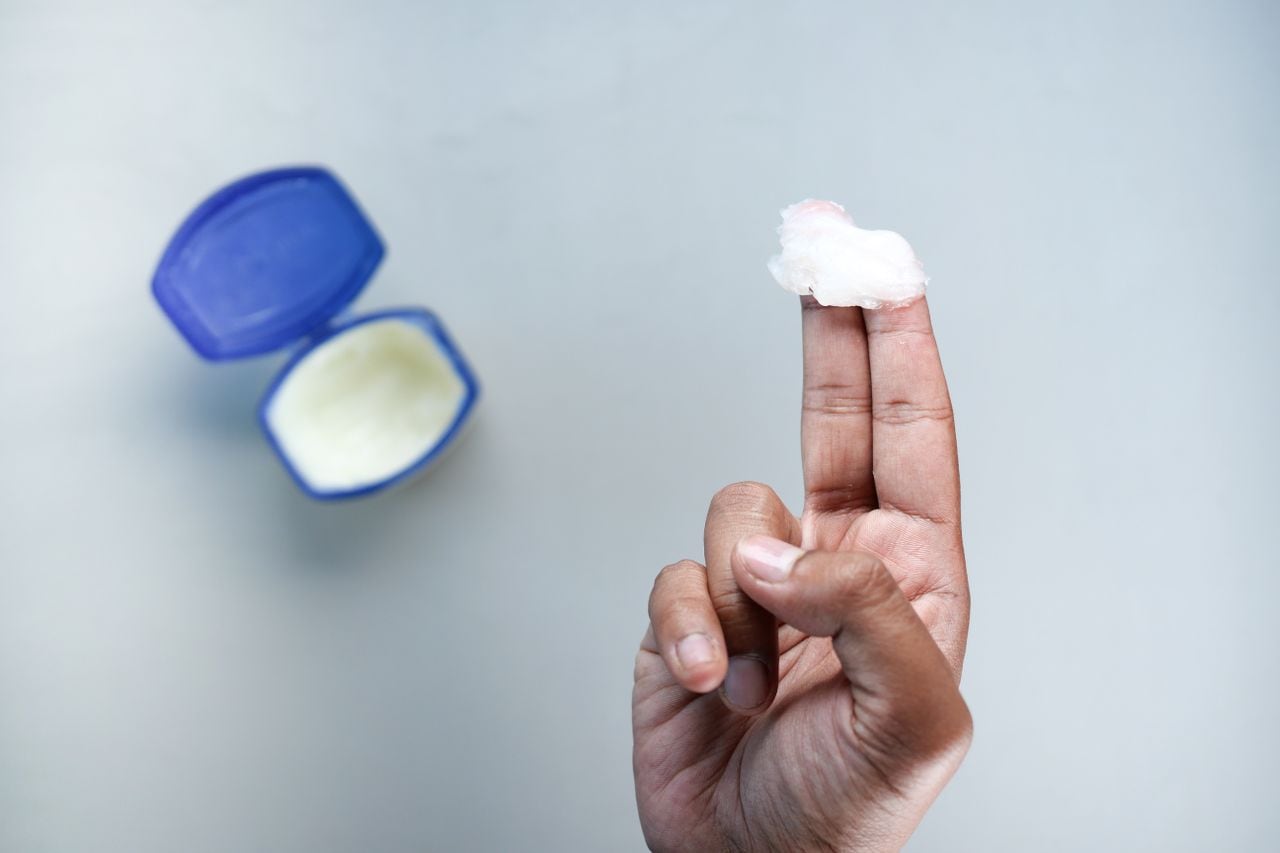
Winter Skincare For Dry And Polluted City Weather
Photo Credit: Pexels
Why Winter And Pollution Create A Challenging Combination
During winter, humidity levels tend to drop, reducing moisture in the air. This can make it harder for the skin to retain hydration. At the same time, exposure to airborne pollutants, dust and particulate matter can accumulate on the skin's surface, potentially contributing to dullness and irritation. People living in urban areas often face both challenges simultaneously, making hydration and protection key priorities for winter skincare.
Also Read: Why You Need A Makeup Fixer For Long-Lasting And Fresh Makeup
Use A Gentle Cleanser To Avoid Stripping Natural Oils
Cleansing remains an essential part of any skincare routine, but winter may require a more careful approach. Harsh cleansers can remove the skin's natural oils, which are already reduced during colder weather. Instead, consider:
- Cream-based cleansers
- Hydrating face washes
- Fragrance-free formulations for sensitive skin
The goal is to remove dirt, sunscreen and pollution particles without leaving the skin feeling excessively dry.
Add Hydration With A Serum
Hydrating serums can help boost moisture levels and support smoother-looking skin. Ingredients commonly recommended for winter include:
- Hyaluronic acid
- Glycerin
- Panthenol
- Polyglutamic acid
Applying a hydrating serum before moisturiser can help improve moisture retention and reduce the sensation of dryness.
Prioritise A Barrier-Supporting Moisturiser
A moisturiser plays a central role in winter skincare. Beyond hydration, it helps reinforce the skin's protective barrier. Look for products containing:
- Ceramides
- Squalane
- Shea butter
- Niacinamide
- Fatty acids
These ingredients help lock in moisture and support the skin's natural defence system during colder months.
Don't Overlook Sunscreen
One of the most common misconceptions is that sunscreen is only necessary in summer. In reality, ultraviolet exposure remains a concern throughout the year. Daily use of a broad-spectrum sunscreen with SPF 30 or higher can help protect the skin from sun damage and support overall skin health, regardless of the season.
Consider Antioxidants For Environmental Protection
Many skincare products incorporate antioxidants that help complement a routine aimed at addressing environmental stressors. Popular antioxidant ingredients include:
- Vitamin C
- Vitamin E
- Ferulic acid
- Green tea extracts
These ingredients are commonly used in serums and moisturisers designed to support brighter and healthier-looking skin.
Pay Extra Attention To Lips And Hands
Lips and hands are often among the first areas to show signs of winter dryness. A nourishing lip balm can help protect against chapping, while a hand cream containing ingredients such as glycerin, shea butter or urea may help maintain softness throughout the day. Consistent application is often more effective than occasional treatment after dryness appears.
Incorporate Overnight Repair Into Your Routine
Night-time skincare offers an opportunity to focus on recovery and hydration. Products such as:
- Overnight masks
- Rich moisturising creams
- Barrier-repair treatments
can help replenish moisture while the skin undergoes its natural overnight renewal process.
Everyday Habits That Support Healthy Skin
Products alone may not be enough. Certain daily habits can also help minimise winter dryness. Consider these simple measures:
- Avoid very hot showers.
- Apply moisturiser immediately after cleansing.
- Stay adequately hydrated.
- Cleanse after prolonged exposure to outdoor pollution.
- Use a humidifier in dry indoor environments.
- Follow a consistent skincare routine.
Also Read: 5 Lip Care Products To Keep Your Lips Soft During Changing Weather
Winter weather and city pollution can place additional stress on the skin, but a well-rounded routine focused on hydration, barrier support and protection can help minimise their impact. Gentle cleansing, regular moisturisation, daily sunscreen use and antioxidant support remain the foundation of effective winter skincare. Rather than following an extensive routine, focusing on a few evidence-backed essentials can help keep skin comfortable, resilient and healthy-looking throughout the season.
Frequently Asked Questions (FAQs)
Q1. Why does skin become drier during winter?
Lower humidity levels and colder temperatures can reduce the skin's ability to retain moisture, often leading to dryness and flaking.
Q2. Is sunscreen necessary in winter?
Yes. UV rays are present throughout the year, making daily sunscreen an important part of skincare even during colder months.
Q3. What ingredients help repair the skin barrier?
Ceramides, niacinamide, squalane and fatty acids are commonly used to support and strengthen the skin barrier.
Q4. Can pollution affect skin health?
Pollution particles can accumulate on the skin and may contribute to dullness, irritation and dehydration over time.
Q5. What is the most important winter skincare product?
While individual needs differ, a good moisturiser that supports the skin barrier is often considered one of the most important winter skincare essentials.
Disclaimer: This article may include references to or features of products and services made available through affiliate marketing campaigns. NDTV Convergence Limited (“NDTV”) strives to maintain editorial independence while participating in such campaigns. NDTV does not assume responsibility for the performance or claims of any featured products or services.
