You vacuum regularly, put away laundry, wipe down surfaces and make an effort to keep things organised. Yet somehow, by the end of the day, your home still doesn't look quite as tidy as you would like. The problem often isn't a lack of cleaning. In many cases, it's visual clutter where interior designers and home organisers frequently point out that certain everyday items can make a space appear busier than it actually is. Unlike dust or obvious mess, visual clutter tends to build gradually and can be surprisingly easy to overlook when you see it every day.
Why Your Winter Blanket Still Feels Cold
Photo Credit: Pexels
The good news is that creating a tidier-looking home doesn't necessarily require a major decluttering project or expensive renovation. Small changes in a few key areas can often have a significant impact on how a space feels. Here are 8 common things that may be making your home look messier than it really is and what you can do about them.
Also Read: Why Your Winter Blanket Still Feels Cold: 7 Buying Mistakes That Could Be Ruining Your Sleep
1. Shoes Collected By The Entrance
The entrance is one of the first things people notice when they enter a home, but it's also one of the easiest areas to overlook. Many households develop a habit of leaving shoes by the front door for convenience. Over time, a few pairs can quickly turn into several pairs, making the area look crowded and disorganised.
The impact extends beyond the entrance itself. Since the doorway sets the tone for the rest of the home, clutter in this space can create an immediate impression of disorder, even if the rest of the house is relatively organised. A dedicated shoe rack, storage bench or closed shoe cabinet can help contain the clutter while making footwear easier to access when needed.
2. Charging Cables And Electronics Left On Display
Modern homes contain more devices than ever before, between smartphones, tablets, laptops, smartwatches, earbuds and power banks, charging cables have become a permanent part of daily life. The challenge is that they rarely stay hidden. Cables draped across desks, bedside tables and entertainment units can create a sense of visual chaos even when the surrounding area is clean. Similarly, power adapters, extension boards and unused chargers often occupy valuable surface space. While electronics are essential, finding ways to organise them can make a room feel noticeably calmer. Cable organisers, charging stations and cable management boxes can reduce distractions while helping keep devices accessible.
3. Kitchen Counters That Have Become Storage Spaces
Kitchen counters tend to attract clutter quickly, water bottles, tea and coffee supplies, grocery bags, spice jars, takeaway menus and unopened deliveries often find a temporary home on the countertop but the problem is that temporary storage has a habit of becoming permanent. Even in a spotless kitchen, crowded surfaces can make the room feel smaller and less organised.
One of the most effective ways to improve the appearance of a kitchen is simply to clear as much counter space as possible. Frequently used items can be stored in baskets, cabinets or designated organisers while still remaining easy to access. Keeping surfaces relatively clear also makes everyday cleaning quicker and easier.
4. Clothes That Never Quite Make It Back To The Wardrobe
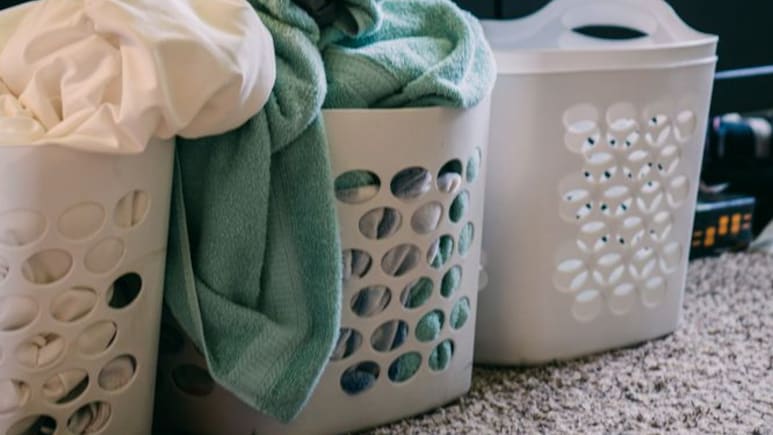
Most people have clothing items that fall into an in-between category, they are not freshly washed, but they are not quite ready for the laundry basket either. As a result, they often end up draped over chairs, benches, bed frames or exercise equipment. Individually, a jumper or pair of jeans may not seem like much. Collectively, however, they can make an entire bedroom feel untidy.
Bedrooms generally appear most organised when surfaces and furniture remain as clear as possible. Creating a dedicated spot for frequently worn clothing can help prevent piles from forming in the first place. Laundry hampers, garment racks and wardrobe organisers can all help create a more structured system.
5. Open Shelves Filled With Too Many Items
Open shelving continues to be popular because it provides an opportunity to combine storage and display. However, these shelves can quickly become clutter magnets. Books, souvenirs, decorative accessories, paperwork, candles and miscellaneous household items often end up sharing the same space. While each item may be meaningful or useful on its own, too many objects displayed together can create visual noise.
This doesn't mean shelves need to be completely minimal. Instead, the goal is balance. Grouping smaller items into storage boxes or baskets can help reduce clutter while maintaining a decorative appearance. Leaving some space between objects can also make shelves feel more intentional and less crowded.
6. Bathroom Products Taking Over Every Surface
Bathrooms are often among the smallest rooms in the home, which means clutter tends to become noticeable quickly. Skincare products, toothbrushes, hair tools, cosmetics and toiletries can easily take over sinks, countertops and shelves. Even a clean bathroom can feel disorganised when every available surface is occupied. The solution isn't necessarily owning fewer products. More often, it's about storing them more efficiently.
Making use of wall space through corner shelves and shower caddies can help free up valuable space around the sink while keeping essentials within easy reach. Organisers designed for under-sink storage can also help maximise space that often goes unused.
7. Everyday Essentials Without A Designated Home
Some of the biggest contributors to visual clutter are also the smallest, keys, wallets, sunglasses, headphones, letters and loose change are items that most people use regularly but often struggle to store consistently. Because they move around the house throughout the day, they tend to accumulate on dining tables, kitchen counters and sideboards. Individually, these objects may seem insignificant. Together, they can make a room feel noticeably less organised.
Creating a simple drop zone near the entrance can help keep these essentials contained and easier to find. A small tray, organiser basket or key holder can often make a bigger difference than expected.
8. Storage Solutions That Don't Match Daily Habits
One of the most overlooked causes of clutter is storage that's technically available but rarely used. Many homes contain cupboards, drawers and storage units with plenty of capacity. Yet items continue to accumulate on visible surfaces. The reason is often convenience, if putting something away requires opening multiple cabinets, moving other items or reaching difficult spaces, people are naturally less likely to do it consistently.
Effective organisation isn't just about adding more storage. It's about choosing storage systems that fit naturally into everyday routines. Simple solutions such as drawer organisers, ottoman benches and under-bed storage can help make tidying up feel less like a chore.
Creating a home that feels organised isn't necessarily about spending an entire weekend decluttering or striving for perfection. In many cases, the biggest difference comes from identifying everyday clutter hotspots and putting simple systems in place to manage them. A shoe rack by the entrance, a storage basket on a shelf or a cable organiser beside a desk won't transform a home overnight. However, these small changes can work together to reduce visual clutter and create a space that feels calmer and more functional. The next time your home feels messy despite your cleaning efforts, take a closer look at what's sitting out in the open. The issue may not be cleanliness at all. It could simply be a few everyday items waiting for a better place to call home.
Frequently Asked Questions (FAQs)
Q1. Why does my house still look messy even after cleaning?
Visual clutter is often the reason. Everyday items such as shoes, cables, clothing and paperwork can make tidy spaces appear disorganised.
Q2. What is visual clutter?
Visual clutter refers to objects that create a sense of disorder or busyness within a space, even when the room itself is clean.
Q3. What's the easiest way to make a room look tidier?
Clearing visible surfaces such as countertops, tables and entryways can often have the biggest impact.
Q4. Are storage baskets worth buying?
Yes. Storage baskets help group similar items together, reduce visual clutter and improve organisation.
Q5. How can I organise a small home?
Focus on multifunctional furniture, vertical storage solutions and organisers designed to maximise underused spaces such as drawers, shelves and under-bed areas.
Disclaimer: This article may include references to or features of products and services made available through affiliate marketing campaigns. NDTV Convergence Limited (“NDTV”) strives to maintain editorial independence while participating in such campaigns. NDTV does not assume responsibility for the performance or claims of any featured products or services.
