
The meal may be over in 20 minutes, but the body's response continues long after the plate is cleared. Once eating stops, digestion gets to work. Carbohydrates from a plate of rice, a chapati or even a piece of fruit are broken down into glucose and released into the bloodstream. The pancreas responds by releasing insulin, which helps glucose move into cells for energy. As a result, blood sugar levels rise after a meal. In most people, this increase is temporary and barely noticeable. For those living with diabetes, however, the rise can be higher, last longer and become an important indicator of how effectively the body is regulating blood sugar.

Understanding how your body responds to food is an important part of long-term blood sugar management.; Photo Credit: AI-generated image
The post-meal rise in blood sugar, known as postprandial glucose, has increasingly become part of conversations around diabetes management and healthy ageing. Experts are paying closer attention not only to fasting blood sugar levels but also to what happens in the hours following breakfast, lunch and dinner. Research from the Faculty of Medicine of Turin University suggests that post-meal glucose changes may provide valuable insights into metabolic health and, in some cases, future cardiovascular risk.*
The conversation around blood sugar management is particularly relevant in India. The country is home to nearly 90 million people living with diabetes, giving it one of the world's largest diabetes burdens. According to the International Diabetes Federation, the number of adults living with diabetes in the South-East Asia region is expected to rise significantly in the coming decades, highlighting the scale of the challenge facing countries such as India.
As World Diabetes Day approaches on November 14, understanding why blood sugar rises after eating and what influences those changes is becoming an increasingly important part of the conversation around prevention, management and long-term health.
Understanding How The Body Responds To Blood Sugar Spike
Blood sugar spikes are often misunderstood as something that should not happen at all.
In reality, every carbohydrate-containing meal raises blood glucose. Rice, rotis, fruit, oats, potatoes and bread all eventually break down into glucose during digestion. The resulting increase in blood sugar is a normal physiological response.
The difference lies in how effectively the body manages that rise.
As glucose enters the bloodstream, the pancreas releases insulin. This hormone helps transport glucose into cells, where it can either be used for energy or stored for later use. In people without diabetes, the process is usually efficient enough for blood sugar levels to return towards normal within a relatively short period.
For people with insulin resistance, prediabetes or diabetes, however, the system does not function as smoothly. Cells may become less responsive to insulin, or the pancreas may struggle to produce enough of it. As a result, glucose remains in the bloodstream longer than it should.
Why The Same Meal Can Produce Different Results
One of the more intriguing discoveries in glucose research is that two people can eat the same meal and record very different blood sugar responses afterwards.
A study by the Weizmann Institute of Science involving around 800 participants found dramatic differences in post-meal glucose responses to identical foods. Factors such as gut microbiome composition, genetics, insulin sensitivity, sleep patterns and overall metabolic health appear to influence how the body processes carbohydrates.
This helps explain why dietary advice often needs to be personalised.
A banana may produce a modest rise in one person's blood sugar but a much larger increase in someone else's. Likewise, a meal that appears healthy on paper may not trigger the same metabolic response across different individuals.
The Great Indian Plate: A Challenge
Managing blood sugar after meals is particularly relevant in India because many staple foods are naturally rich in carbohydrates.
Rice, chapati, poha, idli, potatoes and traditional sweets form the backbone of countless meals across the country. These foods are not problematic by themselves. What matters more is quantity, frequency and what accompanies them on the plate.
A large serving of white rice eaten on its own is likely to affect blood sugar differently from the same rice consumed with dal, vegetables, curd and a protein source. Fibre, protein and fats generally slow digestion, leading to a more gradual rise in glucose levels. For this reason, most health and nutrition experts now emphasise meal composition rather than simply counting carbohydrates.
Why Should You Look Beyond Fasting Blood Sugar
For decades, fasting blood glucose and HbA1c have dominated discussions around diabetes management. Even today, they remain essential tools. However, evidence accumulated over the past two decades suggests that what happens after meals deserves attention as well.
A long-term study published in Diabetes Care found that postprandial blood glucose predicted cardiovascular events and all-cause mortality in people with Type 2 diabetes during a 14-year follow-up period.
Reviews cited by North Shore Diabetes and Endocrine Associates have also described postprandial glucose as an independent cardiovascular risk factor and an important contributor to overall HbA1c levels.
The science is still evolving, but researchers believe frequent and prolonged glucose surges may contribute to inflammation, oxidative stress and blood vessel damage over time.
When Should A Post-Meal Spike Raise Concern?
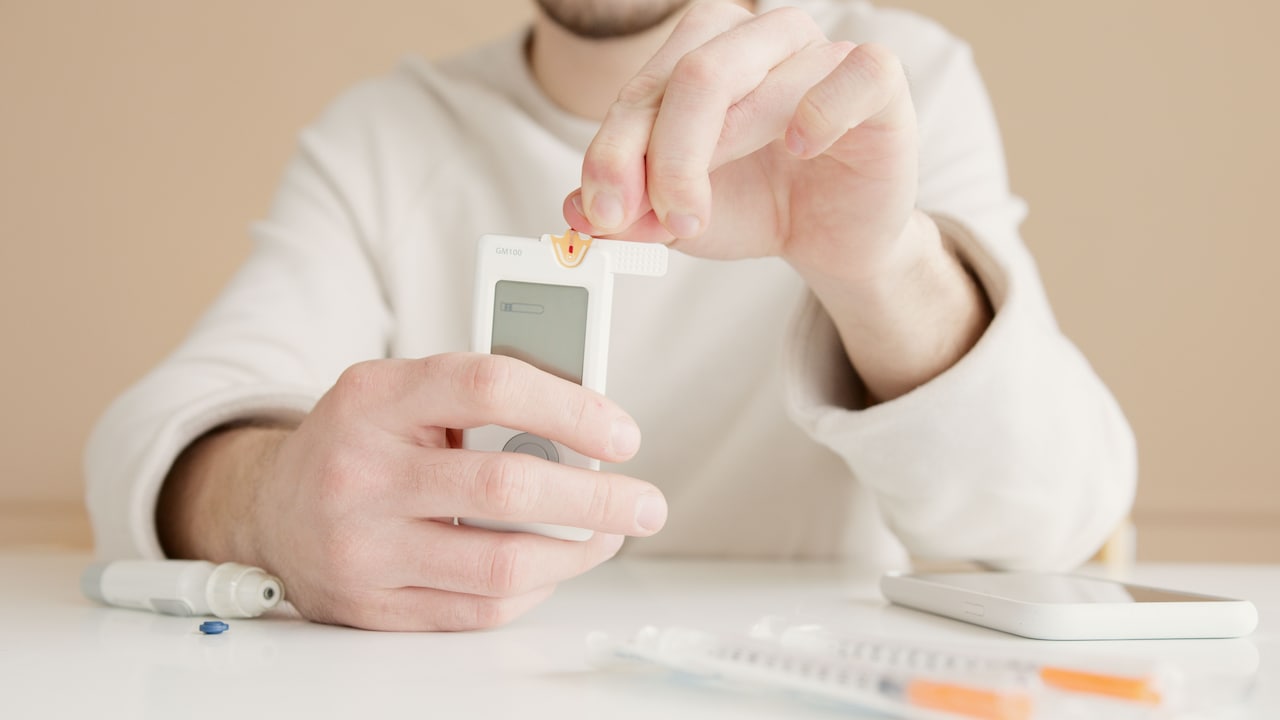
Understanding how your body responds to food is an important part of long-term blood sugar management.
Photo Credit: Pexels
Not every rise in blood sugar requires attention.
According to the American Diabetes Association, most non-pregnant adults with diabetes are advised to keep post-meal blood glucose below 180 mg/dL when measured one to two hours after starting a meal.
Doctors are typically less concerned about a single high reading than recurring patterns.
Consistently elevated post-meal levels, glucose that remains high for several hours, or readings that repeatedly exceed individual targets are all reasons to consult a healthcare professional.
Begin With Small Changes
Research suggests that even modest lifestyle changes can make a measurable difference.
Choosing whole grains over refined grains, increasing fibre intake, pairing carbohydrates with protein-rich foods, and reducing sugary beverages may all help moderate blood sugar responses after meals.
Physical activity also seems to matter. Research examining post-meal walking has found that even relatively short walks after eating can improve glycaemic responses. A review published in Nutrients concluded that walking after meals can help reduce glucose responses across different meal types.
For many Indians, that may simply mean putting an old piece of household advice back into practice: taking a walk after dinner.
Supporting Blood Sugar Management Beyond The Plate
For many people living with diabetes, blood sugar management is about making informed nutrition choices that support glucose control, satiety and overall wellbeing.
One option designed specifically for diabetes care is PentaSure DM Diabetes Care Nutritional Supplement, available in Chocolate and Vanilla flavours. Developed as a specialised nutritional formula for people with diabetes and those looking to manage their blood sugar levels, it can be consumed as part of a balanced diet and healthcare plan.
A key feature of PentaSure DM is its 4P Protein blend, which combines whey, milk, casein and soy proteins. This combination is designed to support muscle maintenance while providing a sustained release of nutrition throughout the day. Protein can also help promote satiety, keeping people fuller for longer after meals.
The formula is further enriched with dietary fibre, which supports digestive health and may help promote a slower rise in blood sugar levels after eating. For people who often feel hungry between meals, the combination of protein and fibre may help reduce snacking.
Another notable feature is its Low Glycaemic Index (GI) formulation. The product uses a slow-release carbohydrate blend designed to provide gradual energy release rather than rapid surges in blood sugar. This may help people looking to better manage post-meal blood sugar fluctuations as part of their diabetes care plan.
PentaSure DM also provides multi-vitamins and minerals, heart-friendly fats and muscle-supporting proteins. Together, these nutrients are designed to support overall nutrition, immunity, metabolic health and daily energy needs.
For individuals looking to improve the quality of their nutritional intake, the supplement can be incorporated in various ways, whether as a beverage between meals, a breakfast companion, an evening nutrition drink or as advised by a healthcare professional. As with any specialised diabetes nutrition product, usage should be discussed with a doctor or dietitian to determine how it fits within an individual's overall dietary plan.
A Must-Buy For World Diabetes Day 2026
With World Diabetes Day on November 14 approaching, many consumers may be revisiting their health and nutrition routines. Those considering specialised diabetes nutrition products such as PentaSure DM Diabetes Care can also explore ongoing festive shopping offers.
Shoppers can find health and nutrition essentials, including diabetes-care products, at attractive prices on Amazon. Whether you prefer the Chocolate or Vanilla variant, this could be a good time to stock up and review your diabetes nutrition plan. Explore diabetes-care essentials from PentaSure on Amazon.
Note: This content including advice provides generic information only. It is in no way a substitute for a qualified medical, nutritional or wellness opinion. Always consult a specialist or your own doctor for more information. NDTV does not claim responsibility for this information.
Frequently Asked Questions (FAQs)
1. Why does blood sugar rise after eating?
Blood sugar rises after eating because carbohydrates are broken down into glucose during digestion. This glucose enters the bloodstream, causing blood sugar levels to increase temporarily.
2. Is it normal for blood sugar to spike after a meal?
Yes, a rise in blood sugar after meals is a normal physiological response. The body's insulin helps move glucose into cells, allowing levels to return to a healthy range.
3. Which foods cause the biggest blood sugar spikes?
Refined carbohydrates, sugary drinks, sweets, white bread and highly processed foods tend to cause faster and higher blood sugar spikes than fibre-rich whole foods.
4. How can I reduce blood sugar spikes after meals?
Eating more fibre and protein, choosing whole grains, controlling portion sizes and taking a short walk after meals may help manage post-meal blood sugar levels.
5. Can nutritional supplements play a role in diabetes management?
Nutritional supplements can help individuals with diabetes address specific dietary needs when used as part of an overall diabetes management plan. For example, PentaSure DM Diabetes Care Nutritional Supplement is formulated for people with diabetes and is designed to provide balanced nutrition. Such products may be used alongside a healthy diet, regular physical activity and medical treatment, as advised by a healthcare professional.
Disclaimer: This article may include references to or features of products and services made available through affiliate marketing campaigns. NDTV Convergence Limited (“NDTV”) strives to maintain editorial independence while participating in such campaigns. NDTV does not assume responsibility for the performance or claims of any featured products or services.
