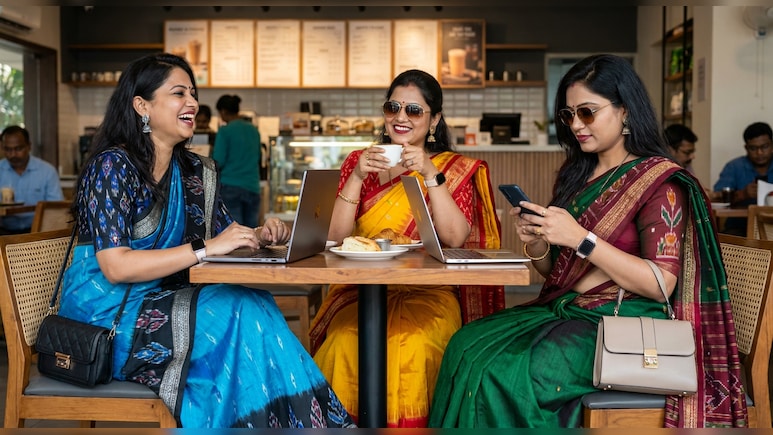
India's handloom heritage is filled with remarkable textile traditions, yet few are as distinctive and celebrated as the Sambalpuri saree. Originating from Odisha, these beautifully woven creations are known for their intricate patterns, vibrant colours and exceptional craftsmanship. Unlike mass-produced garments, every Sambalpuri saree reflects the dedication of skilled artisans who spend days or even weeks creating a single piece. Their cultural value extends beyond fashion, making them a treasured symbol of regional identity. Today, they continue to attract admirers seeking elegance, authenticity and enduring style in an evolving fashion landscape.
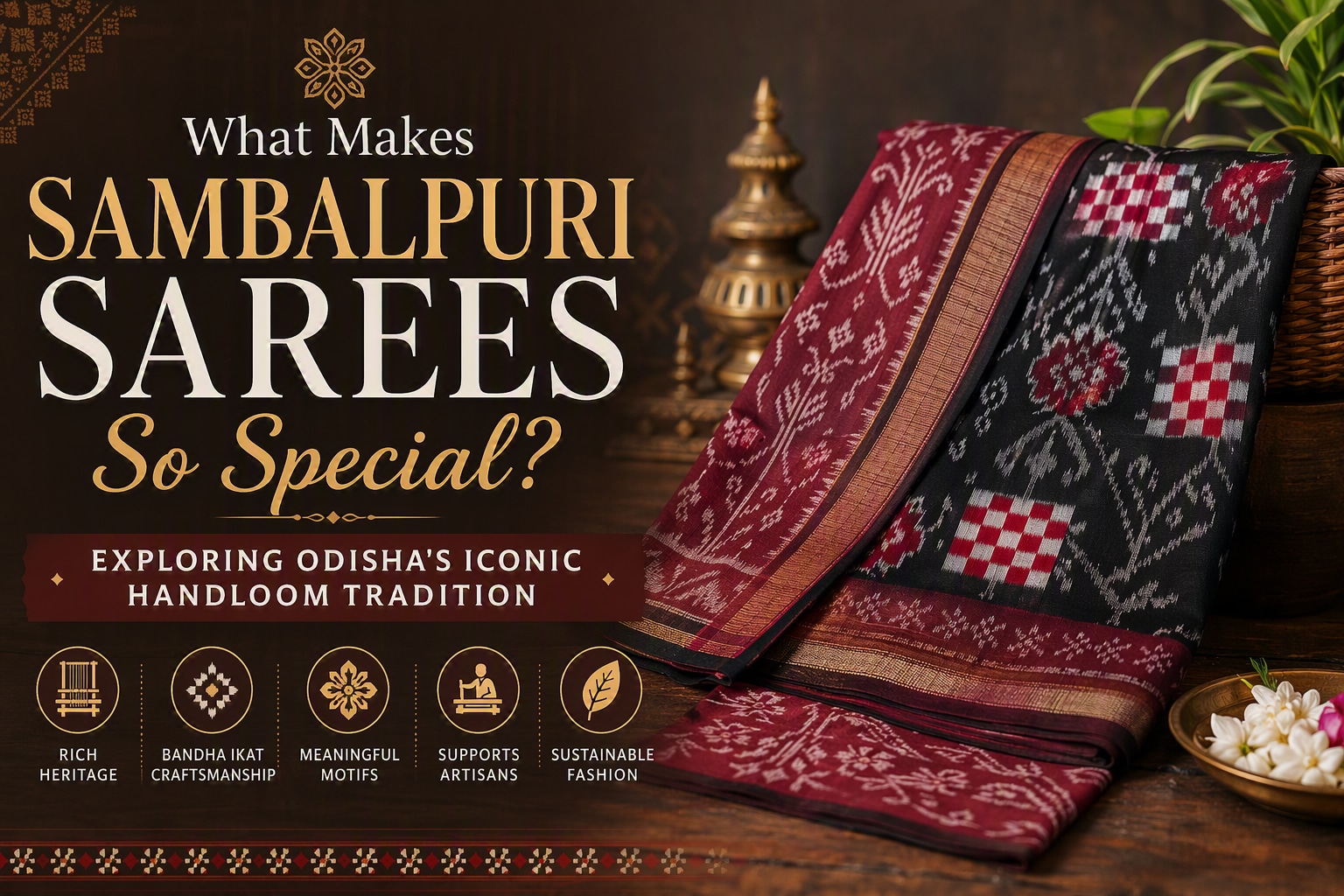
Choosing a Sambalpuri saree means supporting artisan communities while preserving one of India's most cherished textile traditions.
Photo Credit: AI-Generated
As interest in sustainable fashion and handmade products grows, Sambalpuri sarees are finding renewed appreciation among modern consumers. Fashion enthusiasts, collectors and first-time buyers alike are drawn to their unique weaving techniques and rich cultural heritage. These sarees effortlessly bridge the gap between tradition and contemporary style, making them suitable for festive occasions, professional settings and special celebrations. Understanding what makes them special helps shoppers appreciate the artistry behind every thread. Let's learn the history, craftsmanship and lasting appeal that define Odisha's iconic weaving tradition even today.
The Rich Heritage Of Sambalpuri Weaving
Sambalpuri sarees are deeply rooted in Odisha's cultural and artistic history. Produced primarily in western Odisha districts such as Sambalpur, Bargarh, Sonepur and Balangir, these sarees have become synonymous with the state's handloom excellence. The weaving tradition has been passed down through generations, preserving techniques that continue to thrive despite changing fashion trends. Historically, these textiles were valued not only for their beauty but also for their ability to narrate stories through motifs and patterns. Traditional designs often feature symbols inspired by nature, spirituality and local folklore. This enduring connection to heritage has helped Sambalpuri sarees remain relevant while maintaining their authenticity. For many families, the craft is more than an occupation; it is a source of pride and a living expression of cultural identity.
The Art Of Bandha Ikat Craftsmanship
One of the defining characteristics of Sambalpuri sarees is the Bandha Ikat technique. Unlike conventional weaving methods, this process involves tying sections of yarn before dyeing them. The threads are carefully dyed according to a predetermined pattern and then woven together to create intricate designs. Precision is essential because even small errors can affect the final motif. The process requires significant planning, skill and patience. Artisans often spend several days preparing the threads before the weaving stage begins. The result is a remarkably detailed textile in which patterns appear embedded within the fabric itself rather than printed on the surface. This sophisticated craftsmanship is a major reason why Sambalpuri sarees command admiration and continue to be regarded as masterpieces of Indian handloom artistry.
The Symbolism Behind Traditional Motifs
A closer look at a Sambalpuri saree reveals a fascinating world of symbolism. Traditional motifs commonly include flowers, animals, conch shells, wheels, temple-inspired elements and geometric patterns. Each design has cultural significance and often reflects aspects of Odia life, spirituality or the natural environment. Some motifs are associated with prosperity, harmony and good fortune, while others celebrate local traditions and beliefs. These meaningful elements transform the saree into something more than a piece of clothing. They create a visual narrative that connects the wearer to a larger cultural story. In a world increasingly influenced by fast fashion, such thoughtful design details offer depth and authenticity. The symbolic richness of Sambalpuri weaving contributes greatly to its enduring appeal among collectors and fashion enthusiasts alike.
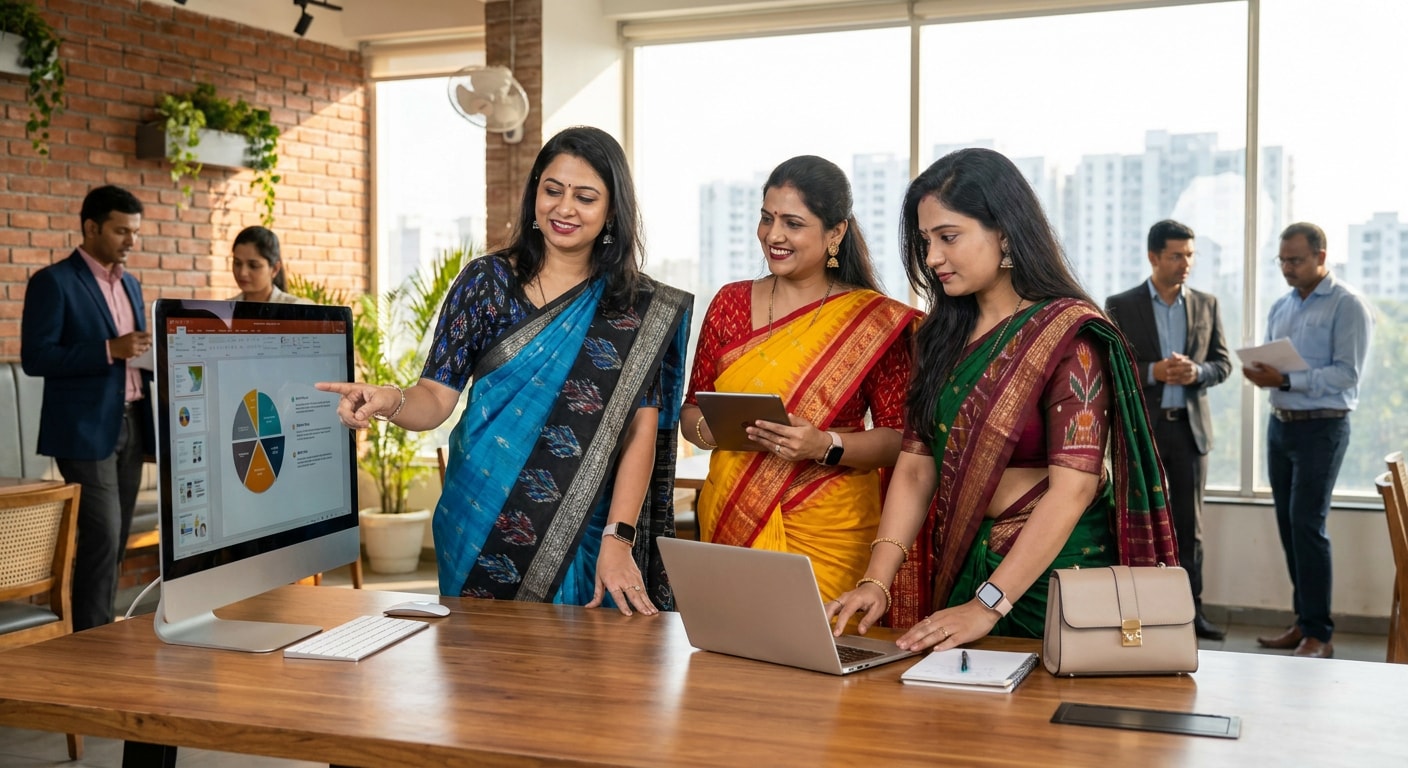
Blending heritage with modern appeal, Sambalpuri sarees effortlessly transition from festive gatherings to contemporary fashion statements.
Photo Credit: AI-Generated
The Growing Appeal In Contemporary Fashion
Although rooted in tradition, Sambalpuri sarees have adapted remarkably well to modern fashion preferences. Designers and style enthusiasts frequently experiment with contemporary draping styles, innovative blouse designs and fusion looks that showcase these textiles in fresh ways. Younger consumers are increasingly embracing handloom fashion as a statement of individuality and conscious consumption. Sambalpuri sarees can be styled for weddings, festivals, cultural events, office wear and even formal gatherings. Their versatility allows wearers to celebrate heritage without compromising on modern aesthetics. Social media and digital marketplaces have also improved visibility for these handcrafted products, introducing them to wider audiences. As a result, Sambalpuri sarees continue to evolve while remaining firmly grounded in the traditions that make them distinctive.
Also Read: I Have Never Been To Puri, But Rath Yatra Still Feels Like Home
The Importance Of Supporting Handloom Communities
Purchasing a Sambalpuri saree is not merely a fashion choice. It is also an investment in traditional craftsmanship and artisan livelihoods. Thousands of weavers depend on the handloom sector for their income, and every purchase helps sustain these skilled communities. Supporting authentic handloom products encourages the preservation of traditional knowledge that might otherwise decline due to industrialisation and changing consumer habits. Furthermore, handwoven textiles generally have a lower environmental impact compared to mass-produced alternatives. The emphasis on skilled labour rather than large-scale manufacturing aligns with the growing movement towards sustainable and ethical fashion. By choosing genuine Sambalpuri sarees, consumers contribute to both cultural preservation and economic empowerment, ensuring these weaving traditions continue to flourish for future generations.
The Lasting Value Of A Sambalpuri Saree
A Sambalpuri saree is often viewed as a cherished possession that can be enjoyed for years and even passed down through generations. The quality of the weaving, combined with the careful dyeing process, contributes to its durability and timeless appeal. Unlike trends that come and go, handloom textiles possess an enduring elegance that remains relevant regardless of changing fashion cycles. Many collectors value Sambalpuri sarees for their craftsmanship, artistic significance and uniqueness. Since each handwoven piece reflects considerable effort and expertise, owning one feels more meaningful than purchasing a mass-produced garment. This sense of connection between the artisan and the wearer gives Sambalpuri sarees a lasting emotional value that extends far beyond their aesthetic beauty.
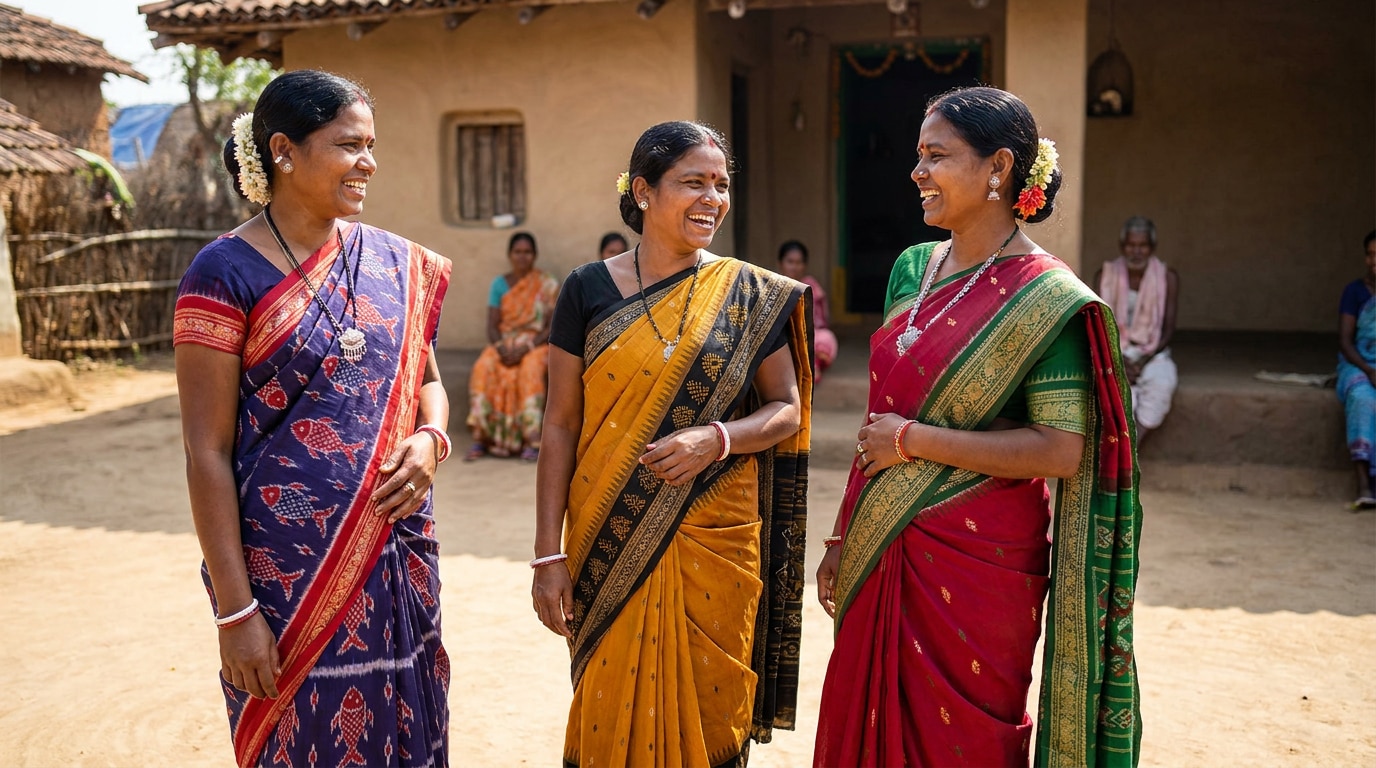
From traditional motifs to timeless colour palettes, Sambalpuri sarees reflect the cultural identity and creative legacy of Odisha.
Photo Credit: AI-Generated
In Conclusion
Sambalpuri sarees represent far more than beautiful textiles. They embody history, craftsmanship, culture and the resilience of India's handloom traditions. Their intricate Bandha Ikat technique, meaningful motifs and exceptional artistry make them stand out in a crowded fashion landscape. At a time when consumers are increasingly seeking authenticity and sustainability, these handwoven creations offer both. Whether you are an experienced saree collector or exploring handloom fashion for the first time, a Sambalpuri saree provides a unique connection to Odisha's rich cultural heritage. Choosing one is not simply a style decision but also a celebration of enduring craftsmanship and tradition.
Explore These Beautiful Sambalpuri Sarees On Amazon
1. Sambalpuri Ikat Handloom Saree for Women | Traditional Odia Art Silk Saree with Geometric & Temple Border Design | Saree Without Blouse
2. Odisha Sambalpuri Handloom Ikat Women's Cotton Saree, Odisha Handloom Handmade Pure Cotton Khandua Saree, Ikkat Orissa Traditional Handloom Saree Without Blouse
3. COTTONSILK & KHANDUAPATA Shambalpuri Cotton Saree of Odisha Ikkat Orissa Traditional Handloom Sari | Bomkai | Pata | Nuapatana | sambalpuri saree | khandua patta sare | without Blouse S5
4. Sambalpuri Ikat Handloom Saree for Women | Traditional Odia Art Silk Saree with Geometric & Temple Border Design | Saree Without Blouse
5. Sambalpuri Ikat Saree for Women | Traditional Odisha Handloom Style Ethnic Saree with Geometric Pattern | Festival & Parties | Without Blouse Piece
6. Sambalpuri Printed Pure Cotton Saree, Multicolor
7. Cotton Sambalpuri Saree for Women | Traditional Odisha Sambalpur Inspired Ethnic Wear| Lightweight Breathable Daily Wear & Festive Saree Without Blouse
8. Utkal Handloom Patchwork Sambalpuri Cotton Handloom Saree | Traditional Odisha Weave | Pure Cotton Ethnic Wear for Women (Red & Green)
9. NEW COLLECTION Women's Odisha Handloom Sambalpuri Pata Saree Temple Border Pasapalli Bomkai Buti Boyanika Design Saree Latest Banarasi Soft Papa Silk Simple Ethnic Orissa Sari with Blouse Piece
10. Quetzal Women's Handloom Pure Cotton Sambalpuri Ikkat Katki Print Design Saree With Blouse Piece
Frequently Asked Questions (FAQs)
Q1. What makes Sambalpuri sarees different from other sarees?
Sambalpuri sarees are known for their Bandha Ikat weaving technique, where threads are dyed before weaving. This creates intricate patterns that are woven into the fabric rather than printed on it.
Q2. Are Sambalpuri sarees suitable for daily wear?
Yes, especially cotton Sambalpuri sarees. They are comfortable, breathable and suitable for office wear, casual outings and cultural events.
Q3. How can I identify an authentic Sambalpuri saree?
Authentic Sambalpuri sarees feature designs visible on both sides of the fabric due to the Ikat weaving technique. Purchasing from reputable handloom stores and certified sellers can help ensure authenticity.
Q4. Why are Sambalpuri sarees often more expensive than machine-made sarees?
These sarees require extensive manual labour, specialised skills and significant time to produce. The cost reflects the craftsmanship, quality and effort involved in hand weaving each piece.
Q5. Can Sambalpuri sarees be styled for modern fashion looks?
Absolutely. They pair beautifully with contemporary blouses, statement jewellery and innovative draping styles. Many fashion enthusiasts blend traditional weaves with modern styling for a unique appearance.
Disclaimer: This article may include references to or features of products and services made available through affiliate marketing campaigns. NDTV Convergence Limited (“NDTV”) strives to maintain editorial independence while participating in such campaigns. NDTV does not assume responsibility for the performance or claims of any featured products or services.
