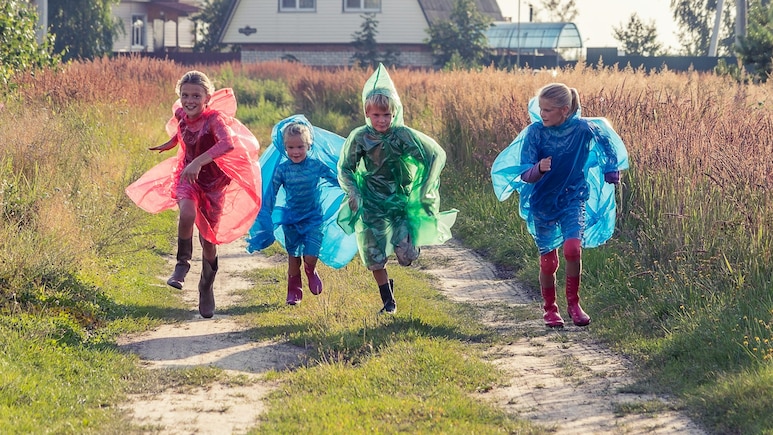
When the rainy season arrives, a reliable raincoat becomes one of the most important essentials in a child's wardrobe. Whether children are heading to school, playing outdoors or travelling with family, staying dry and comfortable can make all the difference. Yet choosing the right raincoat is not always as simple as picking a colourful design. Parents must consider several practical details that affect comfort, durability and protection. A thoughtfully selected raincoat can help children enjoy rainy days rather than struggle through them feeling damp or uncomfortable.
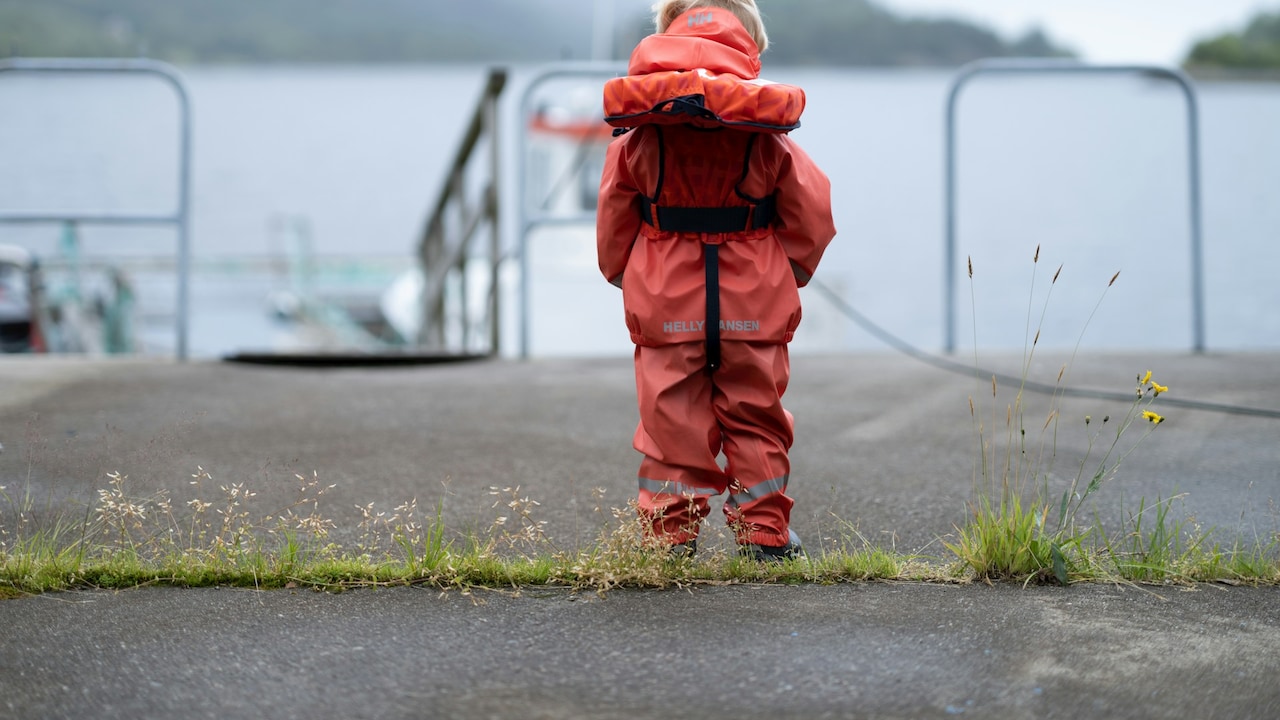
The right raincoat helps kids stay dry, comfortable and ready for every adventure, from school runs to playground fun.
Photo Credit: Unsplash
Many raincoats may appear similar at first glance, but their performance can vary significantly in everyday use. Some offer better waterproofing, while others prioritise breathability, visibility or ease of movement. A raincoat that works well for a toddler may not suit an active school-going child. Understanding the features that matter most can help families make smarter purchasing decisions and avoid unnecessary replacements. Before adding a raincoat to your shopping basket, it is worth exploring the qualities that contribute to comfort, safety and long-term value.
Waterproof Material Matters Most
The most important feature in any children's raincoat is effective waterproofing. A stylish raincoat loses its purpose if water quickly penetrates the fabric. Materials such as EVA, PVC and water-coated polyester are designed to repel moisture and keep clothing underneath dry. However, waterproof performance should be balanced with comfort. Some budget-friendly raincoats may offer water resistance rather than complete waterproofing, which may be suitable for light drizzles but not heavy rain. Parents should examine product descriptions carefully and prioritise rainwear that has been designed specifically for consistent wet-weather protection. Reliable waterproofing helps children stay comfortable during school runs, outdoor activities and unexpected downpours.
Hood Design Can Make A Big Difference
A well-designed hood contributes significantly to a raincoat's effectiveness. Without adequate head protection, rainwater can easily reach a child's hair, face and neck, causing discomfort and reducing overall protection. Adjustable hoods are particularly useful because they remain secure even during windy conditions. Transparent hood sections can also improve visibility without compromising coverage. Parents often focus on colour and print when shopping, but hood design deserves equal attention. A secure hood helps children navigate rainy streets safely and comfortably while reducing the need to constantly adjust or remove the raincoat during outdoor activities.
Also Read: How To Choose Waterproof Bags For Daily Monsoon Commute And Keep Your Essentials Safe
Breathability Is Just As Important As Waterproofing
Many parents focus entirely on keeping rain out, but breathability deserves equal consideration. Children are naturally active, and they can become warm and sweaty even on rainy days. Poor ventilation can make a raincoat feel sticky and uncomfortable, encouraging children to remove it altogether. Breathable materials and ventilation panels help circulate air while maintaining protection against rain. This creates a more pleasant experience for children throughout the day. A raincoat that combines waterproof performance with breathability is often a worthwhile investment because it supports comfort during longer periods of wear, especially during humid monsoon conditions.
Reflective Elements Support Safety
Rain often brings reduced visibility, darker skies and busier road conditions. Reflective elements on a raincoat can improve a child's visibility to drivers, cyclists and pedestrians. Reflective strips, logos and patches become particularly useful during early morning school journeys or evening outings. While these features may seem minor compared to waterproofing, they contribute significantly to overall safety. Bright colours combined with reflective details provide an additional layer of reassurance for parents. In many situations, small design choices can have a meaningful impact, making reflective features an important consideration when evaluating different raincoat options.
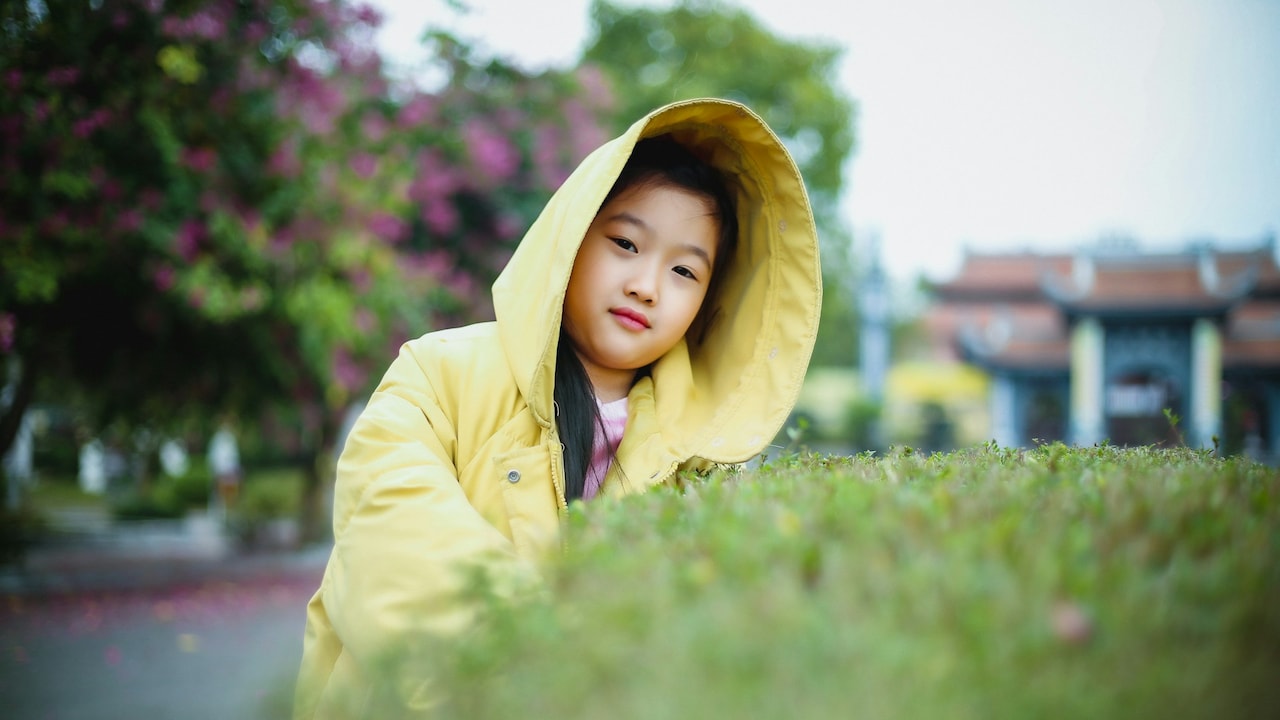
Bright colours and reflective details help improve visibility during rainy and low-light conditions.
Photo Credit: Unsplash
Lightweight Construction Encourages Everyday Use
Children are more likely to wear a raincoat regularly when it feels light and comfortable. Heavy rainwear can restrict movement and become tiring after prolonged use. Lightweight materials allow children to run, climb and play without feeling burdened by their clothing. Additionally, lighter raincoats are easier to pack into school bags or travel luggage when the weather changes unexpectedly. Portability is especially valuable during seasons when rain arrives unpredictably. Parents often appreciate raincoats that can be folded neatly and stored conveniently without taking up excessive space or becoming difficult to carry.
Secure Closures Protect Against Water Entry
Even highly waterproof materials can become less effective if closures allow rainwater to enter. Strong zips, snap buttons and protective storm flaps help prevent moisture from reaching clothing underneath. Secure closures are particularly important in heavy rainfall, where exposed openings can quickly allow water inside. Children also benefit from fasteners that are easy to use independently. A balance between protection and convenience ensures that youngsters can put on and remove their raincoat without constant assistance. Well-designed closures contribute greatly to the overall performance and practicality of children's rainwear.
Also Read: Lazy Girl Makeup Ideas: Easy Beauty Hacks For A Quick Daily Makeup Routine
Proper Coverage Improves Overall Protection
Coverage length often determines how effectively a raincoat protects the rest of a child's outfit. Short raincoats may leave trousers or school uniforms vulnerable during heavy rain. Longer designs provide additional protection and can help keep more of the body dry. However, excessively long raincoats may restrict movement, particularly for younger children. Finding the right balance is essential. Knee-length styles often offer effective protection while preserving comfort and mobility. Parents should consider how and where the raincoat will be used, as school commutes and outdoor play may require different levels of coverage.
Easy Maintenance Saves Time
Raincoats frequently encounter mud, puddles and splashes, making ease of maintenance an important feature. Fabrics that can be wiped clean or washed easily help busy families keep rainwear looking presentable throughout the season. Quick-drying materials are particularly helpful because they allow the garment to be reused sooner after cleaning. Some raincoats also resist stains and odours more effectively than others. While maintenance may not seem exciting during the purchasing process, it can significantly affect long-term satisfaction. Easy-care rainwear supports convenience and encourages regular use throughout wet-weather months.
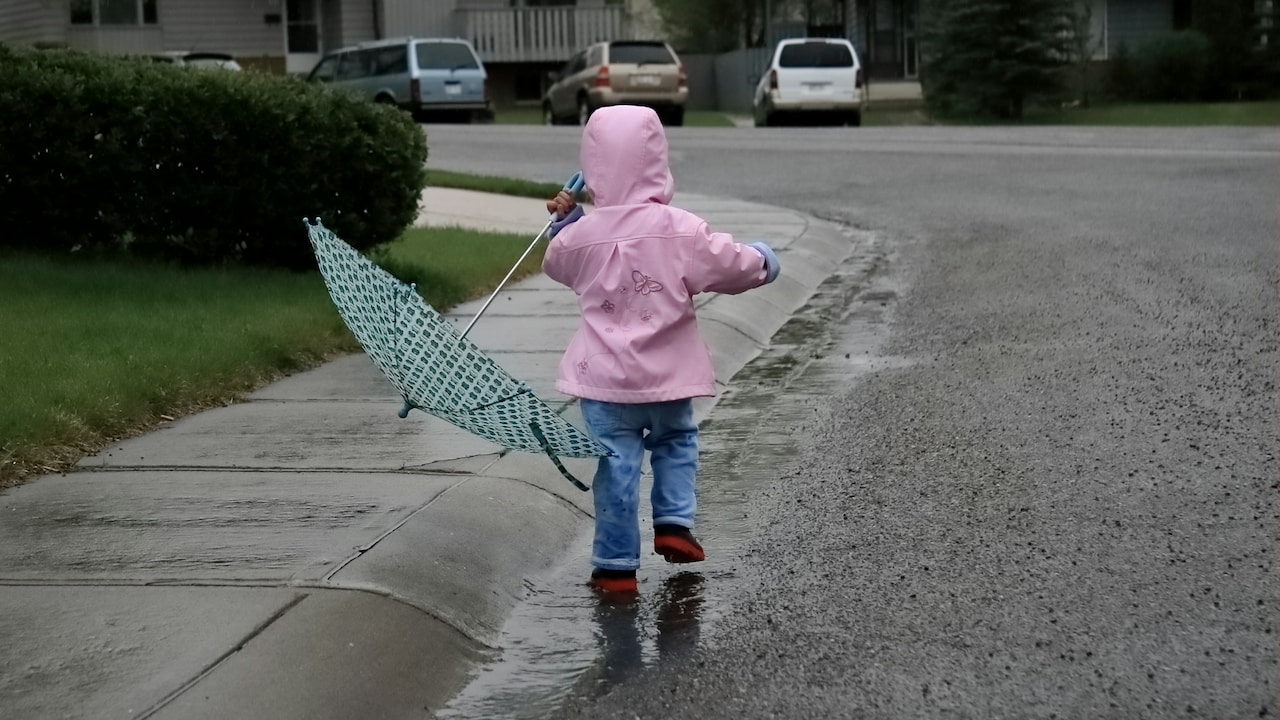
Adjustable hoods, secure closures and proper coverage can make a big difference on rainy days.
Photo Credit: Unsplash
Flexibility Supports Active Lifestyles
Children rarely stand still, even when the weather is poor. A raincoat should accommodate movement without feeling restrictive. Flexible materials and thoughtful construction make it easier for children to bend, run, play and participate in daily activities. Stiff fabrics may offer durability but can become uncomfortable during extended wear. Features such as elastic cuffs, articulated sleeves and comfortable fits contribute positively to the overall experience. Rainwear should support rather than limit active lifestyles. When children feel comfortable moving naturally, they are more likely to wear the raincoat whenever needed.
The Right Size Helps Maximise Comfort
Choosing the correct size can be surprisingly challenging. While some room for layering is useful during cooler weather, oversized raincoats may affect comfort, visibility and mobility. An excessively loose fit can also become cumbersome during active play. Conversely, a raincoat that is too small may restrict movement and reduce coverage. Parents should consult sizing guides carefully and consider future growth without compromising current usability. A well-fitted raincoat provides balanced protection, comfort and practicality. Taking a few extra minutes to select the correct size can improve satisfaction and extend the garment's usefulness.
In Conclusion
Choosing the right raincoat for kids involves much more than selecting an attractive colour or favourite character print. Waterproof materials, breathability, safety features, proper sizing and comfortable construction all contribute to a better experience during rainy weather. A thoughtfully chosen raincoat can help children stay dry, confident and active throughout the season. By paying attention to these ten essential features, parents can make informed purchasing decisions that provide lasting value. The next time rain clouds appear, a well-chosen raincoat can turn a potentially uncomfortable day into an enjoyable outdoor adventure.
Raincoat Products Worth Exploring
Parents looking for suitable options may consider children's raincoats featuring adjustable hoods, reflective strips, waterproof polyester construction, breathable panels and easy-to-pack designs. School-friendly full-length raincoats, cartoon-themed rainwear and lightweight rain suits are also popular choices for different age groups and weather conditions.
1. Krystle Kids Waterproof Raincoat with Hood | Cartoon Dinosaur Print Rain Wear for Boys & Girls | Lightweight & Reusable (Green,Multisize)
2. Krystle Kid's Boy's PVC Full Sleeve With Hooded PPlain Raincoat(Blue)-(Pack of 01)
3. Lifelong Drench Dew Kids Raincoat for Boys & Girls (6-7 Years) | Waterproof Single-Layer PVC Long coat with Adjustable Hood | Lightweight Polyester | Unisex Standard Length Rain Jacket (Sky Blue)
4. Dollar Kids Waterproof PVC Printed Long Raincoat | Zipper & Button Closure | Adjustable Hood & Pocket | Full Length Lightweight Rainwear for Boys & Girls
5. Lifelong Drench Dew Kids Raincoat for Boys & Girls (10-11 Years) | Waterproof Single-Layer PVC Long coat with Adjustable Hood | Lightweight Polyester | Unisex Standard Length Rain Jacket (Green)
6. Krystle Kids Glow Cartoon Print Raincoat with Bag Cover | Waterproof Zipper Rain Jacket for Boys n Girls | School Raincoat (Multicolor,Multisize)
7. Krystle Kids Waterproof Raincoat with School Bag Cover | Hooded Full-Length Rain Wear for Girls | Cute Bunny Print | Lightweight Monsoon Raincoat (Multicolor,Multisize)
8. Robustt Kids Eva Raincoat for Boys & Girls (8–16 Years) with Full Sleeves with Elastic Cuff | Unisex Hooded Kids Rain Coat with Drawstring | Reusable Raincoat with Snap Button Closure | Knee Length
9. Boldfit Kids Unisex Long Raincoat for Boys & Girls PVC Waterproof Rain Jacket with Hood Lightweight Waterproof Jacket for School, Outdoor Play, and Travel, Blue (10-12 Years)
10. A.T.U.N. (ALL THINGS UBER NICE) Kids Waterproof Hooded Long Raincoat for Girls | Single Layer Rain Protection with Front Button Closure | Lightweight Bright Color School Rainwear for 6–14 Years
Frequently Asked Questions (FAQs)
Q1. How often should a child's raincoat be replaced?
A child's raincoat should be replaced when it shows signs of damage, leakage or has become too small. With proper care, a quality raincoat can often last several seasons.
Q2. Which material is best for children's raincoats?
Materials such as EVA, PVC and coated polyester are commonly used because they provide strong water protection. The best choice depends on the balance between comfort, durability and breathability.
Q3. Should children wear a raincoat or use an umbrella?
Raincoats are often more practical for active children because they keep both hands free. They also provide more consistent coverage during windy or heavy rain conditions.
Q4. Why is breathability important in a raincoat?
Breathability helps reduce sweat and discomfort while children are moving around. It keeps the interior of the raincoat feeling fresher during extended wear.
Q5. What size raincoat should parents buy for growing children?
Parents can choose a size that allows light layering and some room for growth. However, the raincoat should not be excessively large, as this can reduce comfort and mobility.
Disclaimer: This article may include references to or features of products and services made available through affiliate marketing campaigns. NDTV Convergence Limited (“NDTV”) strives to maintain editorial independence while participating in such campaigns. NDTV does not assume responsibility for the performance or claims of any featured products or services.
