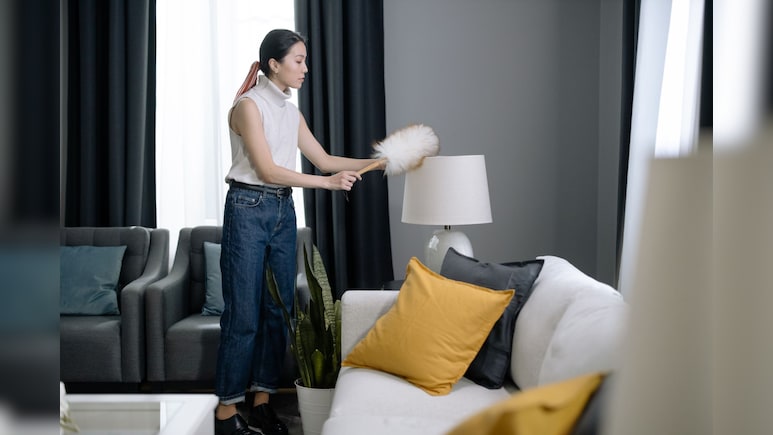
Winter often brings a welcome break from heat and humidity, but it also comes with an annoyance many homeowners notice without quite understanding why: dust seems to appear everywhere. You wipe down a table in the morning and by evening there is a visible layer again. Shelves gather dust faster than usual, floors feel gritty underfoot and furniture loses its clean appearance surprisingly quickly. For many households, winter cleaning can feel like a never-ending task. The problem becomes even more noticeable in cities such as Delhi, where winter often coincides with increased pollution levels, dry weather conditions and reduced ventilation. Even homes that are cleaned regularly can struggle to stay dust-free. The good news is that winter dust is not something you simply have to live with. A few targeted changes can significantly reduce dust accumulation and make your home feel fresher, cleaner and more comfortable throughout the season.
How To Stop Dust From Taking Over Your Home In Winter
Photo Credit: Pexels
Why Homes Become Dustier In Winter
Many people assume that winter dust comes only from outdoor pollution, but the reality is more complicated. During colder months, windows and doors tend to stay shut for longer periods. While this keeps homes warmer, it also limits airflow and allows dust particles to settle indoors. Winter air is typically drier as well. In humid conditions, dust particles are more likely to become heavier and settle. Dry air allows fine particles to remain suspended for longer before they eventually settle on furniture, electronics and flooring.
Another overlooked source of winter dust is fabric. Blankets, rugs, woollen clothing, curtains and upholstery release tiny fibres into the air over time. When combined with dust from shoes, skin particles and outdoor pollutants, these materials contribute significantly to indoor dust build-up.
Also Read: Winter Skincare Mistakes That Could Be Making Your Dry Skin Worse (And What To Do Instead)
Start At The Front Door
One of the easiest ways to reduce dust inside your home is to stop it from entering in the first place. Your shoes bring in far more dust than most people realise. Soil particles, road dust, dirt and pollution accumulate on footwear throughout the day and are tracked directly onto floors and carpets.
Consider adopting a no-shoes policy indoors or placing a sturdy doormat outside and inside the entrance. A high-quality entrance mat can trap a surprising amount of dust before it spreads throughout the house. If you live in an apartment, regularly wiping the area immediately inside your front door can prevent dust from spreading to multiple rooms.
Vacuum Smarter, Not Just More Often
Many people respond to winter dust by sweeping more frequently. Unfortunately, sweeping often redistributes fine dust particles into the air. A vacuum cleaner fitted with a HEPA filter is usually a more effective solution. HEPA filters are designed to capture extremely fine particles rather than simply moving them around.
When vacuuming:
- Focus on corners and edges where dust settles first
- Clean under beds and sofas regularly
- Pay extra attention to curtains and rugs
- Vacuum upholstered furniture at least once every two weeks
- For homes with pets, weekly vacuuming may be necessary during winter.
Curtains Could Be Your Biggest Dust Collector
Curtains act like giant air filters. They trap airborne particles throughout the day and quietly collect dust over time.
Heavy drapes and thick decorative curtains can hold surprisingly large amounts of dust, especially during winter when windows remain closed.
Consider:
- Washing curtains every four to six weeks
- Vacuuming fabric curtains between washes
- Choosing lighter fabrics when possible
- Cleaning curtain rods and tracks regularly
Don't Ignore Ceiling Fans
A ceiling fan that appears clean from below may actually be covered in dust. Once fan blades accumulate dust, every use can redistribute particles throughout the room. Winter is the ideal time to establish a fan-cleaning routine. Wiping blades every two weeks can noticeably improve indoor cleanliness.
A simple microfibre cloth usually works better than a dry duster because it traps dust rather than moving it around.
Air Purifiers Can Make A Difference
Air purifiers have become particularly popular in North India because they address two related concerns simultaneously: dust and airborne pollution.
A purifier equipped with a HEPA filter can help capture:
- Fine dust particles
- Pollen
- Pet dander
- Smoke particles
- Certain allergens
Place air purifiers in:
- Bedrooms
- Living rooms
- Home offices
- Children's rooms
Bedding Needs More Attention Than You Think
Beds, sheets, pillowcases and comforters continuously collect dust, skin particles and fabric fibres during daily use. To minimise this accumulation:
- Wash bed linen weekly
- Shake blankets outdoors when possible
- Rotate pillows regularly
- Vacuum mattresses occasionally
Houseplants Can Help, But Only If Maintained Properly
Many people buy indoor plants hoping they will improve air quality. Plants can play a small role in trapping dust particles on leaves, but dirty leaves can eventually become dust sources themselves. If you keep indoor plants:
- Wipe leaves regularly
- Remove dead foliage promptly
- Avoid allowing soil to become excessively dry and dusty
Electronics Attract More Dust Than Other Surfaces
Televisions, computer monitors and other electronic devices often accumulate dust rapidly. Static electricity attracts airborne particles, causing dust to settle more quickly than on many other surfaces. A regular cleaning routine should include:
- TV screens
- Computer monitors
- Speakers
- Gaming consoles
- Wi-Fi routers
Create A Weekly Dust-Control Routine
The biggest mistake many households make is cleaning only when dust becomes visible. Instead, create a simple weekly routine:
Monday: Wipe frequently used surfaces
Tuesday: Dust shelves, TV units, picture frames and decor items with a microfibre cloth.
Wednesday: Vacuum floors and rugs
Thursday: Clean high-dust areas such as ceiling fans, window sills and curtain rods.
Friday: Clean electronics and workspaces
Weekend: Wash bedding or clean curtains as needed
Small, consistent efforts are usually more effective than occasional deep-cleaning sessions.
Also Read: The Travel Wardrobe Edit: What Deserves A Place In Your Suitcase And What Doesn't
The Real Goal Is Not A Completely Dust-Free Home, But A More Controlled Space
Completely eliminating dust is impossible. Every home generates dust naturally through daily living. The aim is not perfection but control. By improving ventilation, managing fabrics, cleaning strategically and maintaining high-dust areas, you can dramatically reduce winter dust accumulation. A cleaner home not only looks better but can also contribute to improved comfort, particularly for children, older adults and those with allergies. Winter may bring colder temperatures, but it does not have to bring constant dust. With a few practical changes, you can spend less time cleaning and more time enjoying the season.

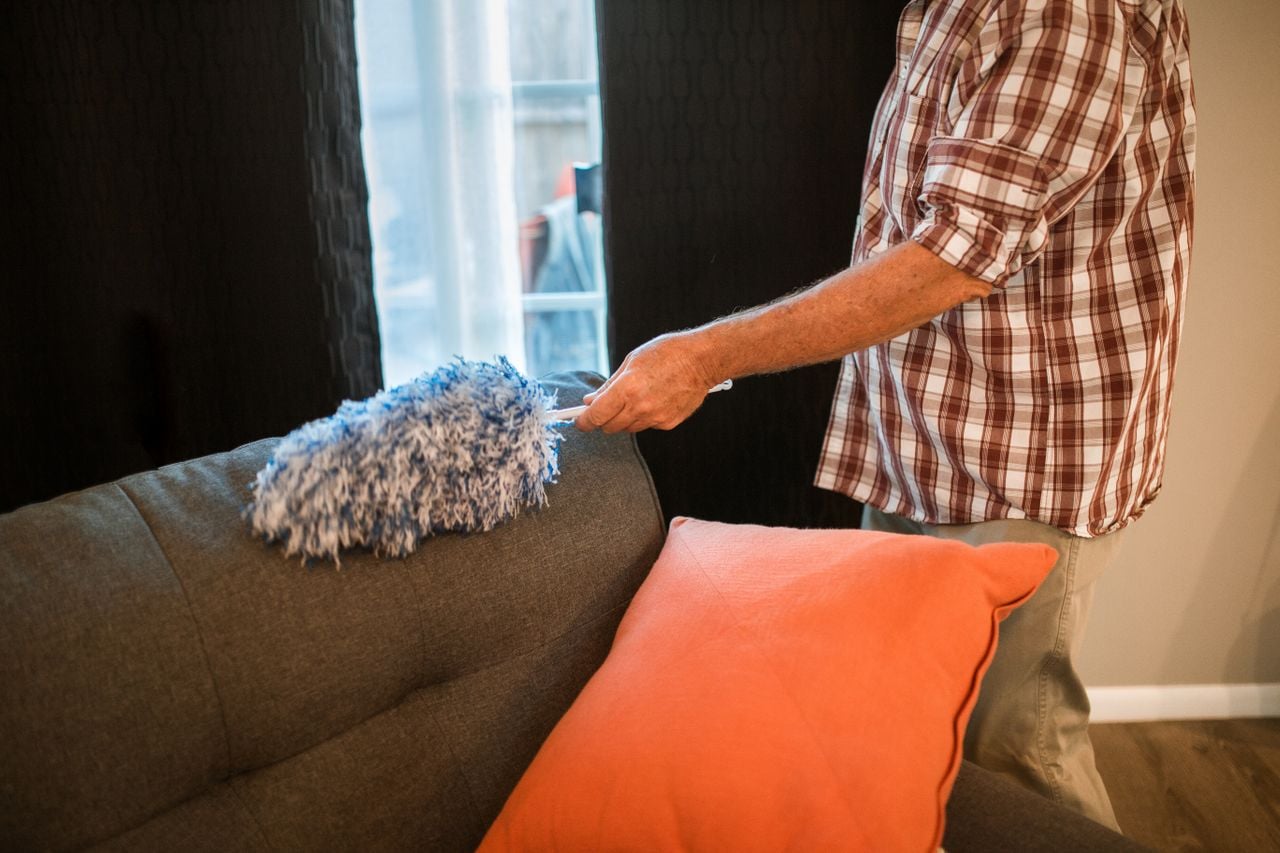
How To Stop Dust From Taking Over Your Home In Winter
Photo Credit: Pexels
Frequently Asked Questions (FAQs)
Q1. Why does my house seem dustier in winter?
Homes often become dustier in winter because windows remain closed, ventilation decreases and dry air allows dust particles to stay airborne for longer. Seasonal fabrics such as blankets and rugs also contribute additional fibres.
Q2. Is sweeping enough to remove winter dust?
Not always. Sweeping can push fine dust particles back into the air. Vacuum cleaners equipped with HEPA filters generally capture dust more effectively and help reduce indoor dust levels.
Q3. How often should bedding be washed during winter?
Sheets and pillowcases should ideally be washed once a week. Blankets and comforters can be cleaned according to usage, but frequent airing and occasional washing help minimise dust accumulation.
Q4. Do air purifiers help reduce household dust?
Yes. Air purifiers with HEPA filtration can capture fine dust particles, airborne pollutants, pollen and other allergens, helping maintain cleaner indoor air quality.
Q5. What household items collect the most dust?
Curtains, rugs, upholstered furniture, bedding, ceiling fans and electronic devices are among the biggest dust collectors in most homes. Cleaning these regularly can significantly reduce overall dust levels.
Disclaimer: This article may include references to or features of products and services made available through affiliate marketing campaigns. NDTV Convergence Limited (“NDTV”) strives to maintain editorial independence while participating in such campaigns. NDTV does not assume responsibility for the performance or claims of any featured products or services.
