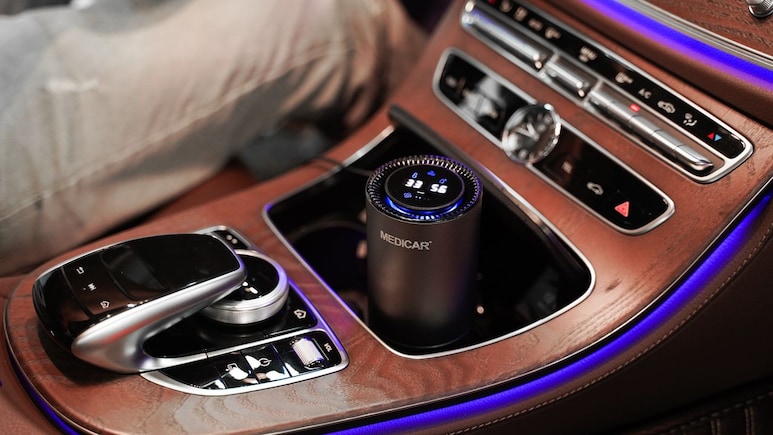
For many commuters, time spent inside a car can mean prolonged exposure to dust, exhaust fumes, pollen and other airborne pollutants, particularly in congested urban areas. As concerns around air quality continue to grow, car air purifiers have emerged as a popular accessory promising cleaner air during every journey. But do they genuinely improve air quality, or are they simply another automotive gadget? The answer depends largely on the technology used, the size of the vehicle, and the type of pollutants drivers are trying to address. While evaluating whether a car air purifier is worth the investment, understanding what these devices can and cannot do is essential.
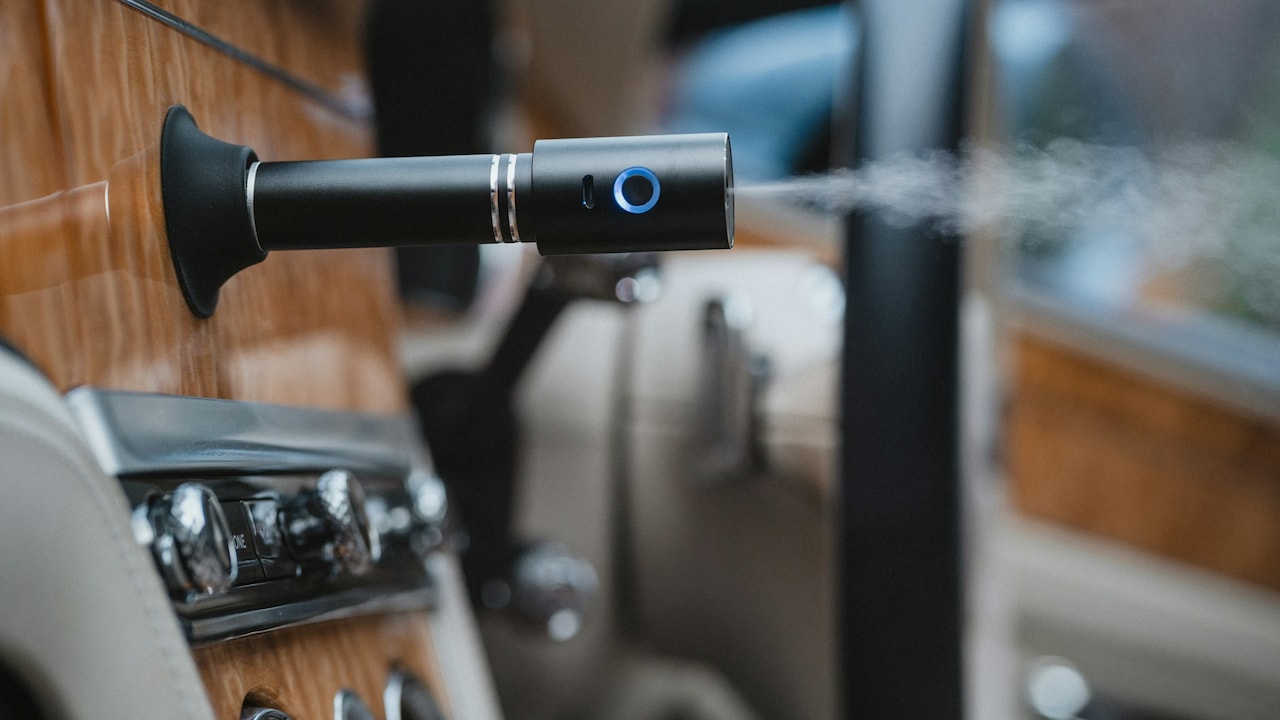
Car air purifiers use filtration technologies such as HEPA and activated carbon filters to help reduce dust, allergens and airborne pollutants inside the cabin.
Photo Credit: Unsplash
Why Air Quality Inside A Car Matters
Many drivers assume they are protected from outdoor pollution once the windows are rolled up. However, studies have shown that pollution levels inside vehicles can sometimes be surprisingly high, especially during peak traffic hours. Dust, particulate matter, allergens, vehicle emissions and even odours can accumulate inside the cabin. In addition, pollutants can enter through ventilation systems whenever outside air is being drawn into the vehicle. For people who spend significant time commuting, improving in-cabin air quality can contribute to a more comfortable driving experience.
How Car Air Purifiers Work
Most car air purifiers use one or more filtration technologies to clean cabin air.
HEPA Filters
High-Efficiency Particulate Air (HEPA) filters are among the most common and effective filtration systems. They are designed to capture fine particles such as dust, pollen, smoke and certain airborne contaminants.
Activated Carbon Filters
Activated carbon filters focus on absorbing odours, volatile organic compounds (VOCs) and some harmful gases. These filters can be particularly useful for reducing smells from traffic emissions and industrial pollution.
Ionisers
Some air purifiers release negatively charged ions that attach themselves to airborne particles, causing them to settle on nearby surfaces. While ionisers may help reduce suspended particles, they are generally most effective when paired with physical filtration systems.
Also Read: Dashcams Are Becoming An Essential Accessory: 9 Important Features To Look For
Do Car Air Purifiers Actually Work?
The short answer is yes, but with limitations. A quality air purifier equipped with HEPA and activated carbon filtration can help reduce airborne particles, dust, pollen and certain odours within a vehicle cabin. Drivers with allergies, respiratory sensitivities or regular exposure to dense traffic may notice a meaningful improvement in air quality.
However, a purifier is not a substitute for a well-maintained vehicle air-conditioning system or cabin air filter. If the car's existing filtration system is clogged or overdue for replacement, even the best air purifier may struggle to deliver optimal results. Consumers should also be cautious of products that make unrealistic claims regarding complete pollutant elimination.
Key Features Worth Paying For
True HEPA Filtration: Not all filters offer the same level of performance. Models featuring genuine HEPA filtration generally provide better particle-capturing capability than basic mesh or foam filters.
Multi-Layer Filtration: A combination of HEPA and activated carbon filtration can address both particulate matter and odours, delivering broader air-cleaning capability.
CADR Ratings: Clean Air Delivery Rate (CADR) measures how efficiently an air purifier can filter air. While not always highlighted in automotive products, higher CADR figures generally indicate stronger performance.
Low Noise Levels: Since car cabins are compact spaces, operating noise becomes important. A purifier should quietly perform its task without becoming a distraction during daily commutes.
Automatic Air Quality Sensors: Premium models often include sensors that detect pollution levels and automatically adjust fan speed. This feature can help balance performance with power consumption.
Compact Design: A bulky purifier can reduce cabin practicality. Modern designs that fit inside cup holders, seat-back pockets or dashboard areas tend to integrate more seamlessly into the vehicle.

A high-quality car air purifier can complement the vehicle's existing cabin air filter by providing an additional layer of air purification.
Photo Credit: Unsplash
Who Should Consider Buying One?
A car air purifier may be particularly beneficial for:
- Daily commuters in heavily polluted cities
- Families travelling with children
- Individuals with allergies or asthma
- Ride-hailing drivers who spend long hours on the road
- Drivers who frequently travel through industrial or high-traffic zones
For drivers who spend only short periods in the vehicle each day, the benefits may be less noticeable.
The More Important Upgrade: Your Cabin Air Filter
Before purchasing a dedicated air purifier, consumers should first check the condition of their vehicle's cabin air filter.
A fresh, high-quality cabin filter often provides a significant improvement in air quality at a fraction of the cost. Replacing a neglected filter can improve airflow, reduce dust and enhance the effectiveness of the vehicle's climate-control system. For many motorists, combining a clean cabin filter with an air purifier may deliver the best overall results.
Also Read: How To Choose The Right Bikers Protective Arm Sleeves For You
Bottom Line
Car air purifiers are neither miracle devices nor gimmicks. A well-designed model using HEPA and activated carbon filtration can help reduce airborne particles, allergens and unpleasant odours inside the cabin. For urban commuters, professional drivers and passengers sensitive to pollution, the improvement can be noticeable.
Features such as air quality sensors, multi-layer filtration and low-noise operation can improve the effectiveness of a car air purifier.
Photo Credit: Unsplash
However, buyers should approach these products as a supplementary upgrade rather than a complete solution. Maintaining the vehicle's ventilation system, replacing cabin air filters regularly and using recirculation mode in heavy traffic remain equally important. When used alongside these measures, a quality car air purifier can contribute to a cleaner and more comfortable driving environment.
Some Top-Rated Air Purifiers For The Car That You Could Consider
1. Reffair AX50 Car Air Purifier with Plasma Ionizer & UVC Light H13 True HEPA Filter | 2.5x Powerful Airflow | Slim 6.5cm Base Fits All Cars | Patented Model | Ambient Light (Black)
2. GOODAIR Royal Premium Non-Electric Car Air Purifier | Super Black | Activated Carbon Technology for 24/7 Air Protection | Certified to Absorb Toxic Gases | Elegant Handcrafted Design
3. Car Air Purifier | 3-Stage Filtration with HEPA13 | Removes 99.997% Dust & Smoke | Negative Ion Technology | Car and Desk Compatible | Aroma Diffuser | Type-C Powered, White
4. NexLev Car Air Purifier | CAP-05 Air Purifier For Living Room with H13 HEPA Filter, Activated Carbon, Negative Ion Generator & 360° Air Intake, USB Type-C, Removes PM 2.5 & PM 10
5. Philips GP 5311 Car Air Purifier | Remove Gases, Odour & 125 pollutants | Filters ultra fine particles >0.015um | Hepa+Hesa+Carbon (H14) | 3-level air quality indicator | detects PM2.5 | USB Type-C
6. SHARP Car Air Purifier with Plasmacluster (Removes Bacteria, Virus, Odor, Mold, VOCs) I JAPAN TECHNOLOGY I Pre Filter I Suitable for Hatchback, Sedan and SUVs | Cover: 3.6 m³ I IG-GC2E-B I Black
7. GOODAIR 3.0 Premium Non-Electric Car Air Purifier |Stylish Pink
8. GOODAIR 3.0 Non-Electric Car Air Purifier | Romantic Coffee
9. Autodrome Air Purifier for Car and Home with Hepa Filter | Up to 6 Hours Battery | 6 + 6 Months Warranty | Portable & Rechargeable | Ionizer Air Purifier with 2-Step Purification
10. Activated Carbon Car Air Purifier – Non-Electric 24/7 Protection | Removes Odour & Moisture | Certified to Absorb Toxic Gases | Eco-Friendly Product
Frequently Asked Questions (FAQs)
Q1. Do car air purifiers remove pollution?
They can reduce airborne particles, dust, allergens and some pollutants, but they cannot eliminate all forms of pollution.
Q2. Are HEPA filters important in a car air purifier?
Yes. HEPA filters are among the most effective technologies for capturing fine airborne particles.
Q3. Can a car air purifier help with allergies?
Yes. Many purifiers can reduce pollen, dust and other allergens inside the vehicle cabin.
Q4. Is a car air purifier better than a cabin air filter?
No. A cabin air filter remains the primary filtration system, while an air purifier acts as an additional layer of protection.
Q5. Who benefits most from a car air purifier?
Frequent commuters, ride-hailing drivers, families and individuals with respiratory sensitivities can benefit the most.
Disclaimer: This article may include references to or features of products and services made available through affiliate marketing campaigns. NDTV Convergence Limited (“NDTV”) strives to maintain editorial independence while participating in such campaigns. NDTV does not assume responsibility for the performance or claims of any featured products or services.
