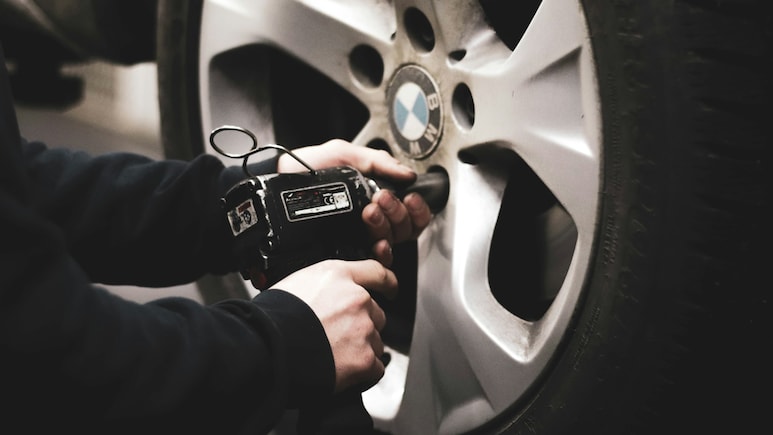
A flat tyre is easy to spot, but a tyre that is gradually losing air pressure often goes unnoticed until it begins affecting the way a vehicle drives. Slight underinflation can reduce fuel efficiency, increase braking distances, accelerate tyre wear and compromise overall vehicle stability. This is where Tyre Pressure Monitoring Systems (TPMS) come into the picture. Once found primarily in premium vehicles, TPMS is now becoming increasingly common across mainstream car segments. As motorists place greater emphasis on safety, maintenance costs and driving efficiency, TPMS is emerging as a feature that offers practical everyday value rather than simply adding another warning light to the dashboard.
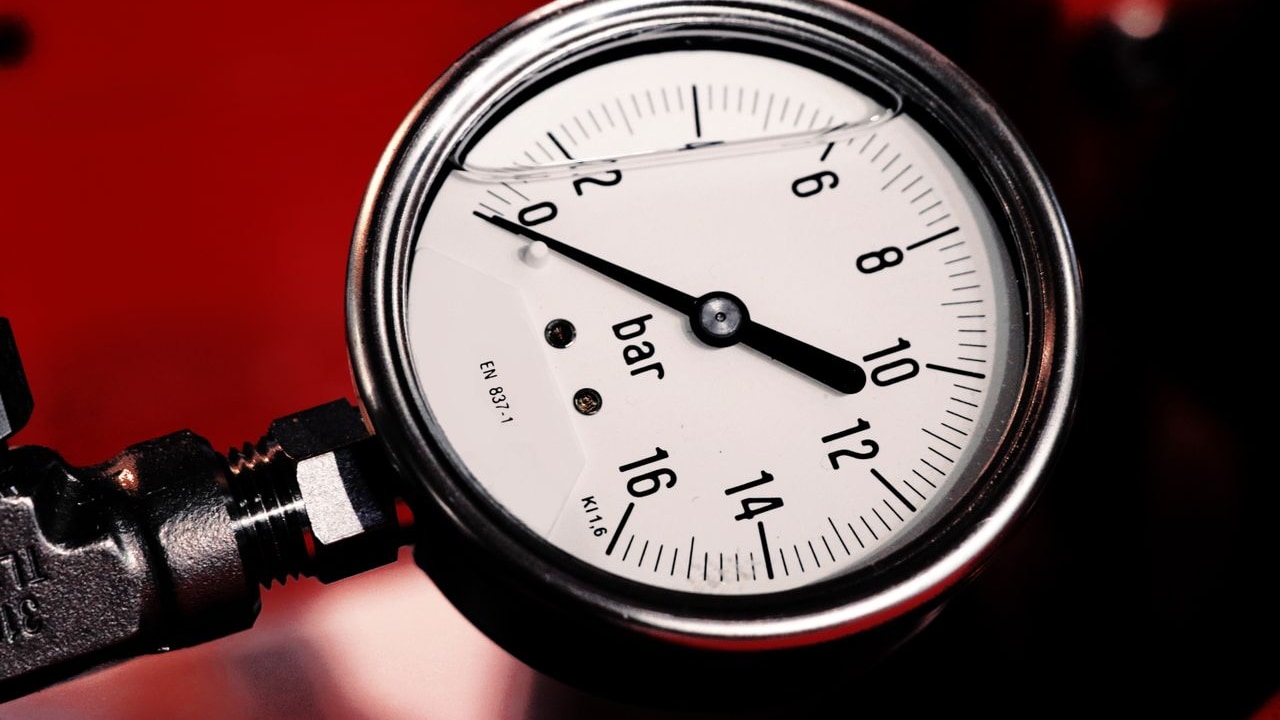
Tyre Pressure Monitoring Systems
Photo Credit: Unsplash
For many motorists, a TPMS may seem like just another dashboard feature. In reality, maintaining the correct tyre pressure plays a significant role in vehicle safety, ride quality and running costs. As more consumers look for features that offer practical value rather than merely adding to a car's equipment list, the question is worth asking: Is a TPMS an essential safety feature or simply a nice-to-have accessory?
What Is A Tyre Pressure Monitoring System?
A TPMS is designed to continuously monitor the air pressure inside a vehicle's tyres and alert the driver when pressure drops below a recommended level. The system helps drivers identify slow punctures, air leaks and pressure loss before they escalate into larger problems. Depending on the vehicle, the warning may appear as a simple dashboard indicator or provide real-time pressure readings for individual tyres. The primary objective is simple: ensuring that tyres operate within the manufacturer's recommended pressure range.
Also Read: Dashcams Are Becoming An Essential Accessory: 9 Important Features To Look For
Why Tyre Pressure Matters More Than Many Drivers Think
Tyres are the only point of contact between a vehicle and the road. Even a small drop in air pressure can affect performance.
Underinflated tyres can lead to:
- Reduced fuel efficiency
- Longer braking distances
- Uneven tyre wear
- Increased risk of tyre failure
- Poor handling and stability
Overinflated tyres can also create problems by reducing road grip and causing premature wear in the centre of the tyre tread.
Maintaining the correct pressure is therefore not just about saving fuel. It is also a critical safety consideration.
How TPMS Works
Direct TPMS
Direct TPMS uses sensors mounted inside each tyre to measure air pressure in real time. These systems provide highly accurate readings and can usually display the pressure of individual tyres. If a tyre loses pressure, the driver receives an immediate alert. Direct TPMS is commonly found in many modern cars and offers the highest level of accuracy.
Indirect TPMS
Indirect systems do not use dedicated pressure sensors. Instead, they rely on wheel-speed sensors connected to the vehicle's anti-lock braking system (ABS). A tyre with lower pressure rotates differently, allowing the system to identify potential pressure loss. Indirect TPMS is generally less expensive but may not provide precise pressure readings.
The Safety Benefits
Early Warning Of Punctures
A nail or small puncture may cause a tyre to lose pressure gradually. Without a monitoring system, drivers may remain unaware until handling deteriorates. TPMS provides an early warning, giving drivers an opportunity to address the issue before it becomes a safety risk.
Better Vehicle Stability
Correctly inflated tyres help maintain predictable handling and braking performance. Whether navigating highways during monsoon conditions or travelling on uneven roads, maintaining the recommended tyre pressure contributes to better vehicle control.
Reduced Risk Of Blowouts
Tyres operating at incorrect pressures generate additional heat. Over time, this can increase the risk of tyre damage or failure, especially during long-distance highway journeys. By alerting drivers to pressure issues early, TPMS can help reduce the likelihood of unexpected tyre-related incidents.
Also Read: Google Home Speaker With Gemini Brings Smarter AI To The Home
The Financial Benefits
TPMS is not only about safety; it can also support lower running costs.
Improved Fuel Efficiency
Underinflated tyres create higher rolling resistance, forcing the engine to work harder and consume more fuel. Maintaining proper tyre pressure can help improve fuel economy, particularly for drivers covering long distances regularly.
Longer Tyre Life
Tyres are a significant maintenance expense. Uneven wear caused by incorrect pressure can shorten their lifespan considerably. A TPMS helps drivers maintain optimal pressure, potentially extending tyre life and delaying replacement costs.
Are Aftermarket TPMS Systems Worth Buying?
Many vehicles on Indian roads still lack factory-fitted TPMS. For such owners, aftermarket systems are widely available and typically consist of sensor-equipped valve caps that transmit tyre pressure data to a dashboard display or smartphone app. While aftermarket solutions may not match the integration of factory-installed systems, many provide accurate monitoring and can add an extra layer of safety at a relatively modest cost.
When Is TPMS Most Useful?
A TPMS can be particularly valuable for:
- Frequent highway travellers
- Families undertaking long-distance road trips
- SUV owners
- Fleet operators
- Drivers covering high monthly mileage
- Owners who often forget routine tyre checks
For these users, the system's ability to provide continuous monitoring can offer peace of mind and potentially prevent costly tyre damage.
So, Is It Essential Or Just Nice To Have?
The answer increasingly leans towards essential. While a TPMS does not replace regular tyre inspections, it acts as a valuable safety net by alerting drivers before minor pressure issues become serious problems. The feature improves safety, supports better fuel efficiency and can help maximise tyre life. As modern vehicles continue to incorporate more technology focused on driver assistance and preventative safety, TPMS stands out as one feature that delivers practical, everyday benefits rather than occasional convenience.
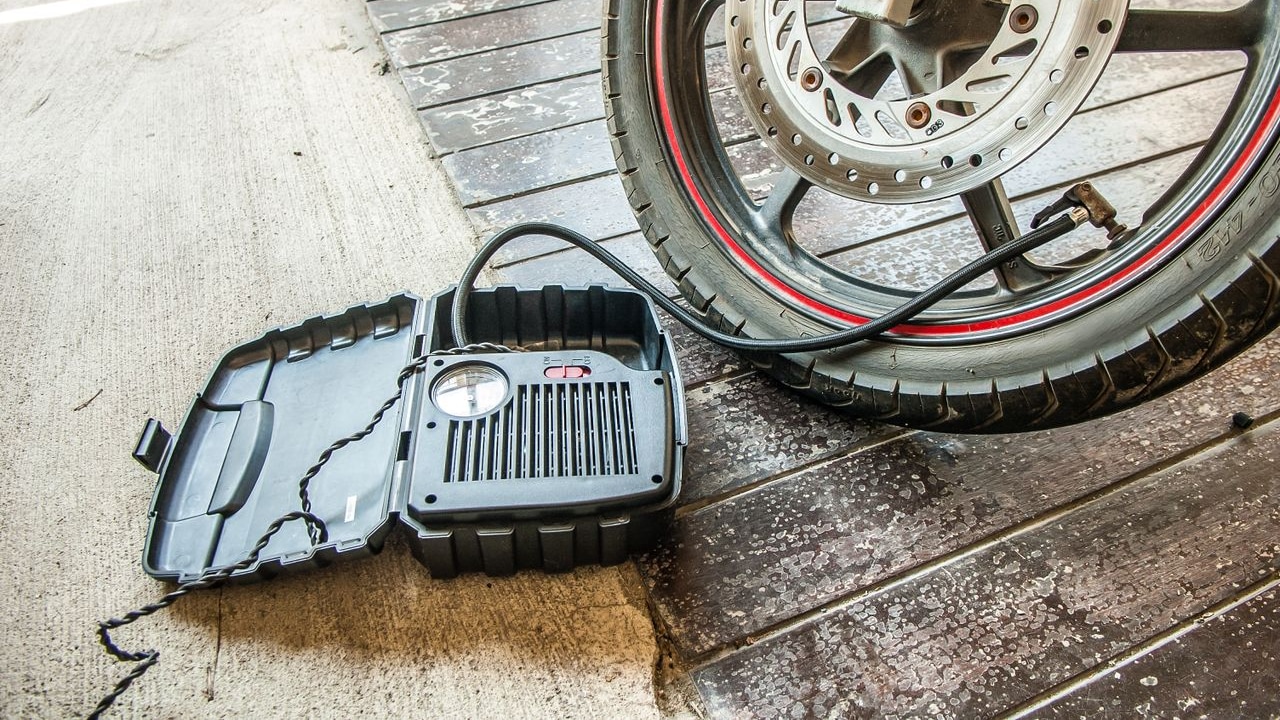
Tyre Pressure Monitoring Systems
Photo Credit: Unsplash
In Conclusion
Tyre Pressure Monitoring Systems may not be as visible as a touchscreen infotainment display or as exciting as a performance upgrade, but their real-world value is difficult to ignore. By helping drivers maintain correct tyre pressure, TPMS can contribute to safer driving, lower fuel consumption and reduced tyre wear. For motorists evaluating their next vehicle purchase or considering an aftermarket upgrade, a TPMS is increasingly becoming a sensible investment rather than an optional luxury.
Tyre Pressure Monitoring Devices To Explore On Amazon
1. Skypearll Car Tire Pressure Monitor Systems with Clock, Solar Power and USB Charge, 4 External Sensors PSI and Temperature Safety Alarm Display, TPMS for Cars
2. 100PSI Analog Meter Tire Pressure Gauge, Vehicle Tester Tyre Air Gauges, Auto Car Tyre Pressure Gauge Multipurpose Use (bm0201)
3. Onelap TyreChek™ - Digital Tyre Pressure Gauge (Zinc Alloy Head) | 0-150 PSI | Suitable for Car, Truck, Bike, Bicycle with Backlight LCD
4. AstroAI Heavy Duty Digital Tire Pressure Gauge 0 to 230 PSI, ANSI Grade 2A Accurate Tire Pressure Checker with Backlit LCD and Flashlight, Stainless Steel Car Accessories for Semi Trucks, RVs, Cars
5. Solar & USB Charging TPMS for Cars with 4 Internal Sensors
6. Solar TPMS Wireless Car Tyre Pressure Monitoring Guage | with 4 External Sensors for Vehicle Tire Pressure Checking System
7. Skyshop® C260 Solar Powered TPMS with Smart Voice Alert | External Wireless Tyre Pressure Monitoring System | Real-Time Precision Sensors for All Cars, Bikes & Scooters
8. Lifelong Tyre Pressure Gauge | Backlit LCD | Zinc Alloy Head | 0-150 PSI | Portable Tyre Pressure Monitoring for Car, Bike, Motorcycle & Truck Tyres | Black
9. Tyre Pressure Monitoring - Electronic Digital Tyre Pressure Gauge with 0.01mm Accuracy, Car Tyre Pressure Monitor & Tread Depth Gauge, Durable & Wear-Resistant for All Vehicles
10. Skyshop® T100 Cigarette Lighter Plug TPMS Car Tyre Pressure Monitoring System | German Chip High Accuracy | 4 Wireless External Sensors | Real-Time Pressure & Temperature for All Cars & SUVs
Frequently Asked Questions (FAQs)
Q1. What does a TPMS do?
A TPMS monitors tyre pressure and alerts drivers when a tyre falls below the recommended pressure level.
Q2. Can TPMS prevent punctures?
No. It cannot prevent punctures but can warn drivers when a tyre is losing air.
Q3. Does correct tyre pressure improve fuel efficiency?
Yes. Properly inflated tyres reduce rolling resistance and can help improve fuel economy.
Q4. Are aftermarket TPMS systems reliable?
Many quality aftermarket systems provide accurate pressure monitoring and can be useful for vehicles without factory-fitted
TPMS.
Q5. Does TPMS replace manual tyre checks?
No. Drivers should still inspect tyres regularly and check pressure periodically.
Disclaimer: This article may include references to or features of products and services made available through affiliate marketing campaigns. NDTV Convergence Limited (“NDTV”) strives to maintain editorial independence while participating in such campaigns. NDTV does not assume responsibility for the performance or claims of any featured products or services.
